Beyond Purdue No. 032 / Operations, Video
When Every Minute Counts: A Day in Industrial Operations
Marcus arrived at the control room seven minutes early. He preferred the quiet before shift handover, the moment when screens still told yesterday's story before today's chaos began.
6:47 AM – The Call That Changes Everything
Marcus arrived at the control room seven minutes early. He preferred the quiet before shift handover, the moment when screens still told yesterday's story before today's chaos began.
His phone rang. The finance director. This early, it meant trouble.
"We missed our Power Purchase Agreement deadline again. Third time this quarter. Do you know what that penalty costs us?"
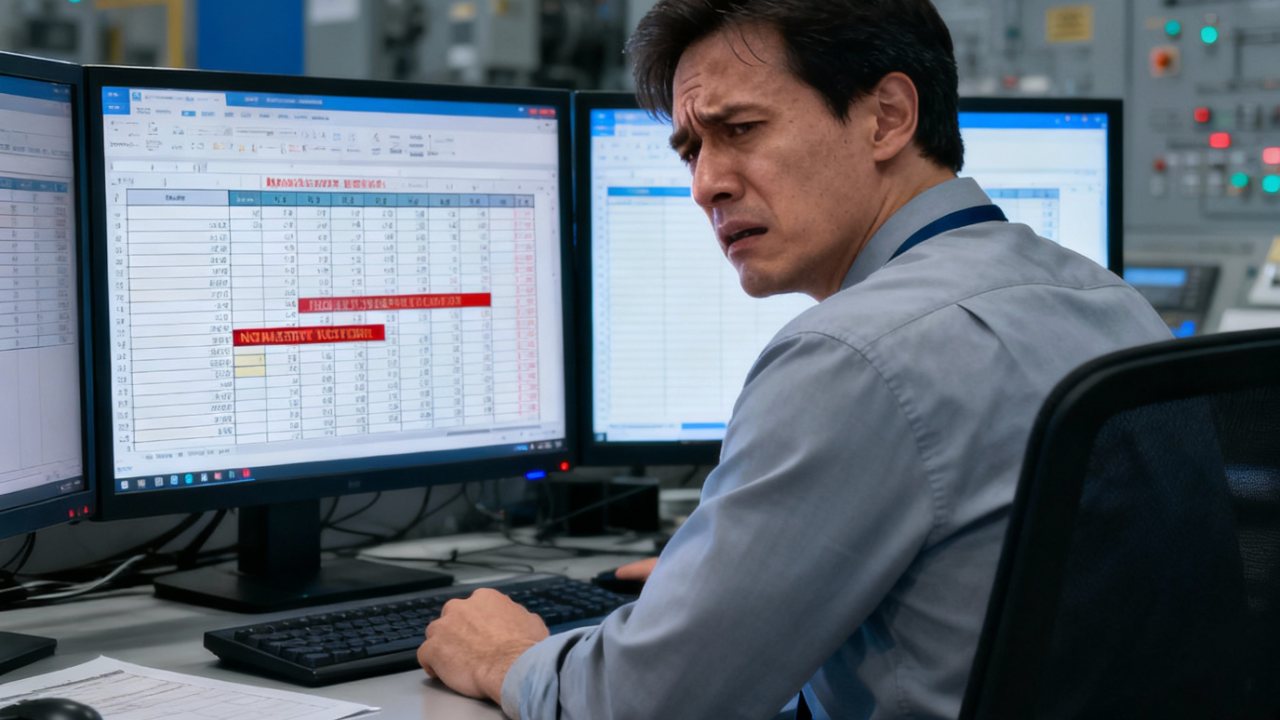
Marcus did know. He also knew the data was there. Somewhere. In systems that didn't talk to each other, buried in protocols written before most of his team was born, trapped behind interfaces that required three people and a manual to extract a single reading.
The problem wasn't the plant. The turbines ran. The meters recorded. The problem was getting accurate data out of operational systems and into business systems without breaking something, without opening security holes, and without spending three hours each morning reconciling numbers that should have been automatic.
The Hidden Cost of "Good Enough"
Most industrial facilities run on a patchwork. One vendor installed the original SCADA system. Another added the billing meters. A third retrofitted the monitoring. Each works. Each produces data. None talk to each other in a way that makes sense to anyone except the person who installed it—and that person retired four years ago.
Most industrial facilities run on a patchwork.
The data exists. But:
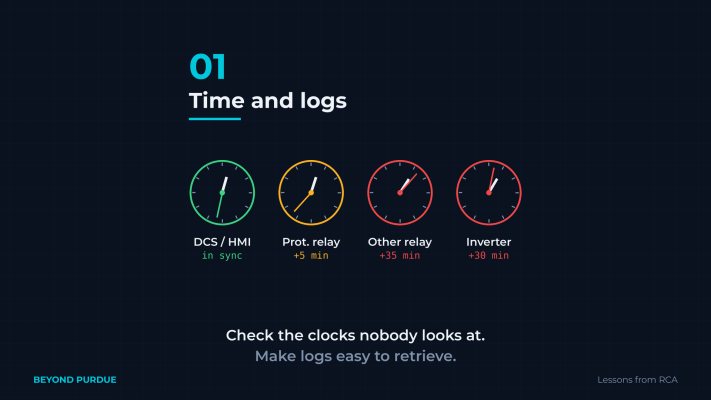
- Timestamps don't match because systems use different clocks
- Protocols are undocumented or obsolete
- Transfer methods are manual, slow, or insecure
- Real-time readings mix with delayed signals, creating gaps
- One vendor blames the other when something fails
So teams spend hours each day logging into separate systems, copying data by hand, cross-checking spreadsheets, and hoping nothing broke overnight. When something does break—a missed signal, a corrupted file, a misconfigured gateway—no one can trace the source because there are too many hands in the system.
The finance team sees penalties. The operations team sees downtime. The IT team sees security risks. The executive team sees millions lost to problems that shouldn't exist.
What Secure Data Transfer Actually Means
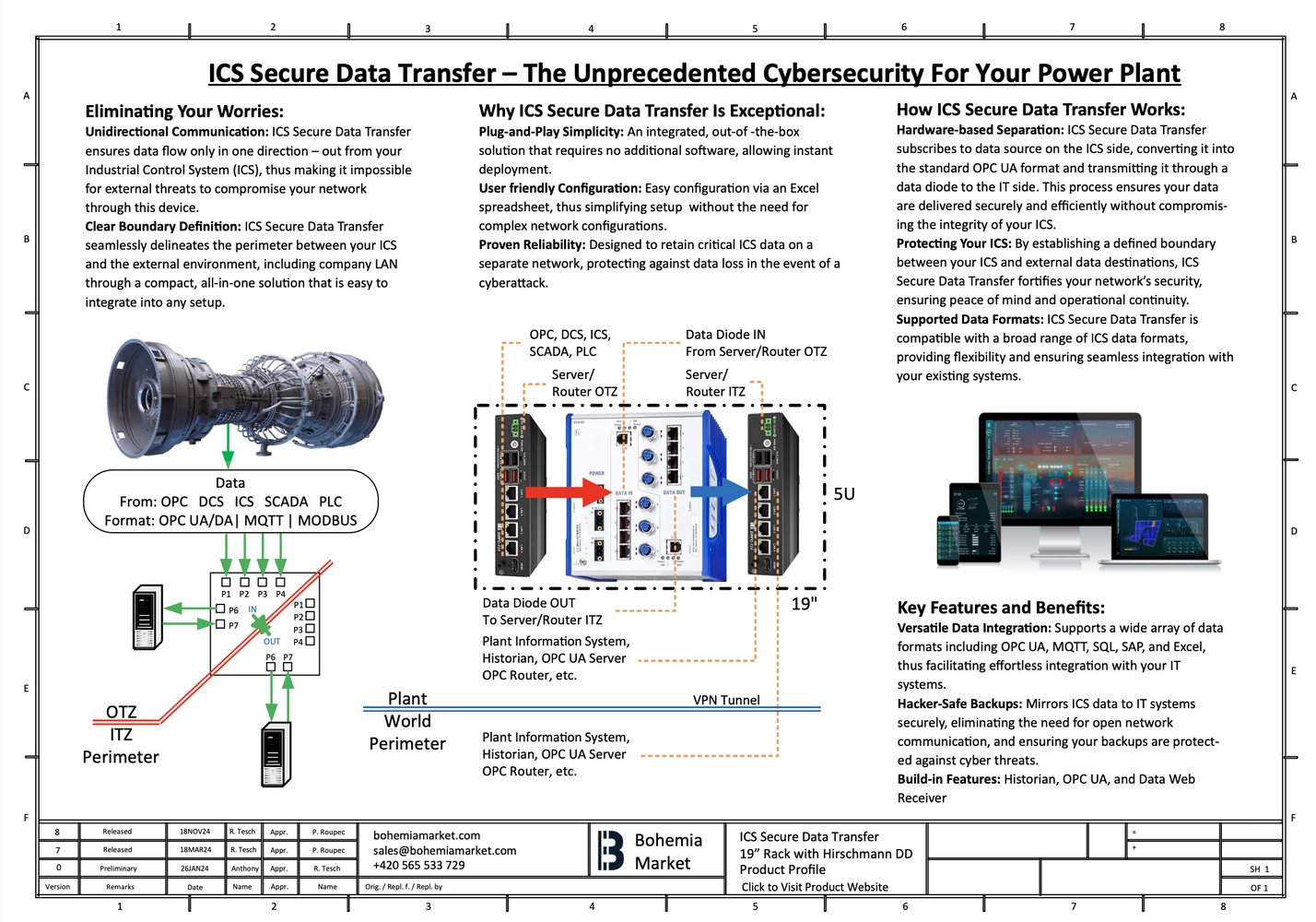
Secure data transfer isn't about adding another vendor to the mix. It's about creating a predictable path for data to move from operational systems to business systems without manual intervention, without security compromises, and without requiring a PhD to maintain.
Secure data transfer isn't about adding another vendor to the mix
Here's what changes:
Data moves automatically. No manual logging. No spreadsheet reconciliation. No three-person data hunt every morning. Systems connect through standardized, encrypted methods that work with what's already installed—whether it's Siemens, GE, ABB, Emerson, or a mix of all four.
Timestamps are synchronized. Every reading, every signal, every data point carries the same clock reference. Billing calculations don't fail because one system thinks it's 6:00 and another thinks it's 6:03.
Security is built in, not bolted on. Data moves one way—from operational systems to business systems—through hardware-enforced separation. No backdoors. No remote access from the internet into the plant. IT gets the data they need. OT stays isolated and protected.
Data moves one way—from operational systems to business systems
When something goes wrong, there's one place to look. Not five vendors. Not ten system logs. One architecture build around standard and open protocols that shows exactly where data flows, what transformed it, and where it landed.
9:15 AM – Marcus Gets His Morning Back
Two months after deployment, Marcus arrives at the same time. His phone doesn't ring. The finance director already has the billing report. Automated. Accurate. On time.
The dashboard shows all eleven power stations across three continents. Real-time. Color-coded. If an inverter start deteriorating at the solar plant, the system flags it long before the maintenance team realise any issues. If a gas turbine starts trending toward a fault, predictive analytics catch it days before it becomes a shutdown.

No one is logging into six systems. No one is copying data into spreadsheets. No one is calling vendors to find out why the numbers don't match.
The data just works.
The Difference Between Operational and Broken
Industrial facilities don't fail dramatically. They degrade slowly. A signal gets delayed. A timestamp drifts. A billing error compounds. By the time leadership notices, the damage is done—contracts are breached, penalties are assessed, and trust is lost.
Fixing it isn't about replacing the plant. It's about connecting what already exists in a way that's reliable, secure, and maintainable by the people who actually work there.
When Data Problems Become Business Problems
The operational issues Marcus faced aren't unique. They appear across industries, with variations:
Power Generation and Utilities
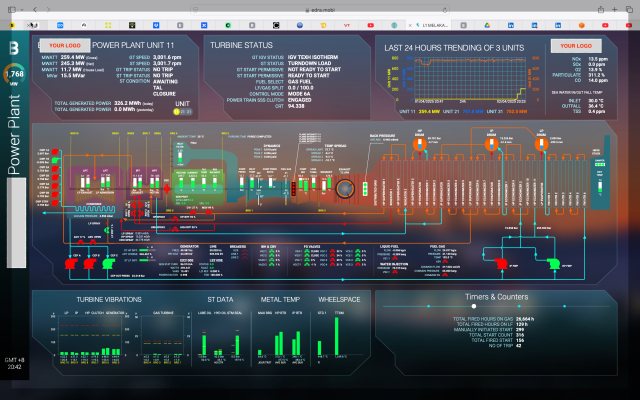
A coal plant operator needed to report generation data every six minutes to meet PPA requirements. Metering signals were delayed. Flow calculations required real-time inputs. The billing system couldn't reconcile the two. Manual corrections introduced errors. Penalties accumulated. Revenue disappeared.
The fix: automated data collection from multiple sources (SQL databases, OPC DA, OPC UA), synchronized timestamps, one-way secure transfer through hardware-enforced data diodes, and a flexible, customer-adjustable data flow. Billing became automatic. Penalties stopped. Millions in revenue were recovered.
Solar and Renewable Energy
A utility-scale solar operator needed to monitor thousands of inverters in real time. Traditional SCADA showed overall output but couldn't identify underperforming strings or panels. Energy losses from clipping, downtime, and weak strings went unnoticed until quarterly reviews.
The solution: automated FTP-based data collection every few minutes, live uptime monitoring per inverter, theoretical output tracking, clipping ratio analysis, string current analytics, and KPI-driven dashboards. Operators could now see which specific strings were underperforming and dispatch maintenance before losses compounded.
Gas Turbine Monitoring and Predictive Maintenance
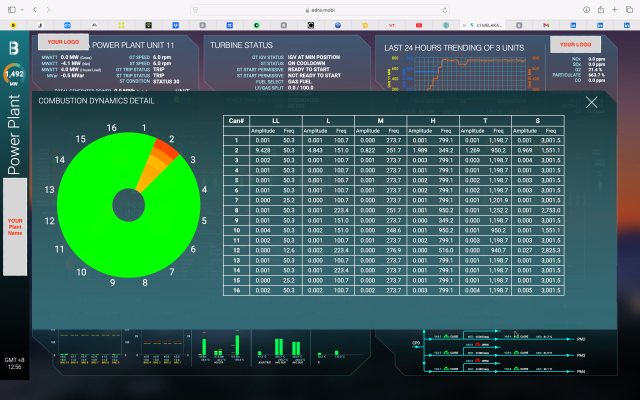
A service company maintaining turbines for a plant operator needed real-time access to performance data. Data was locked in isolated on-premises systems. Predictive maintenance tools couldn't access it. Faults were discovered during scheduled inspections—too late to prevent unplanned outages.
The implementation: data conversion to OPC UA, AWS infrastructure with full customer control, Active Directory integration for role-based access, VPN connectivity for secure OT-to-cloud transfer, deployment of historian and critical equipment monitoring systems, and automated reporting. Fault detection moved from reactive to predictive. Downtime dropped.
Multi-Site Monitoring Across Continents
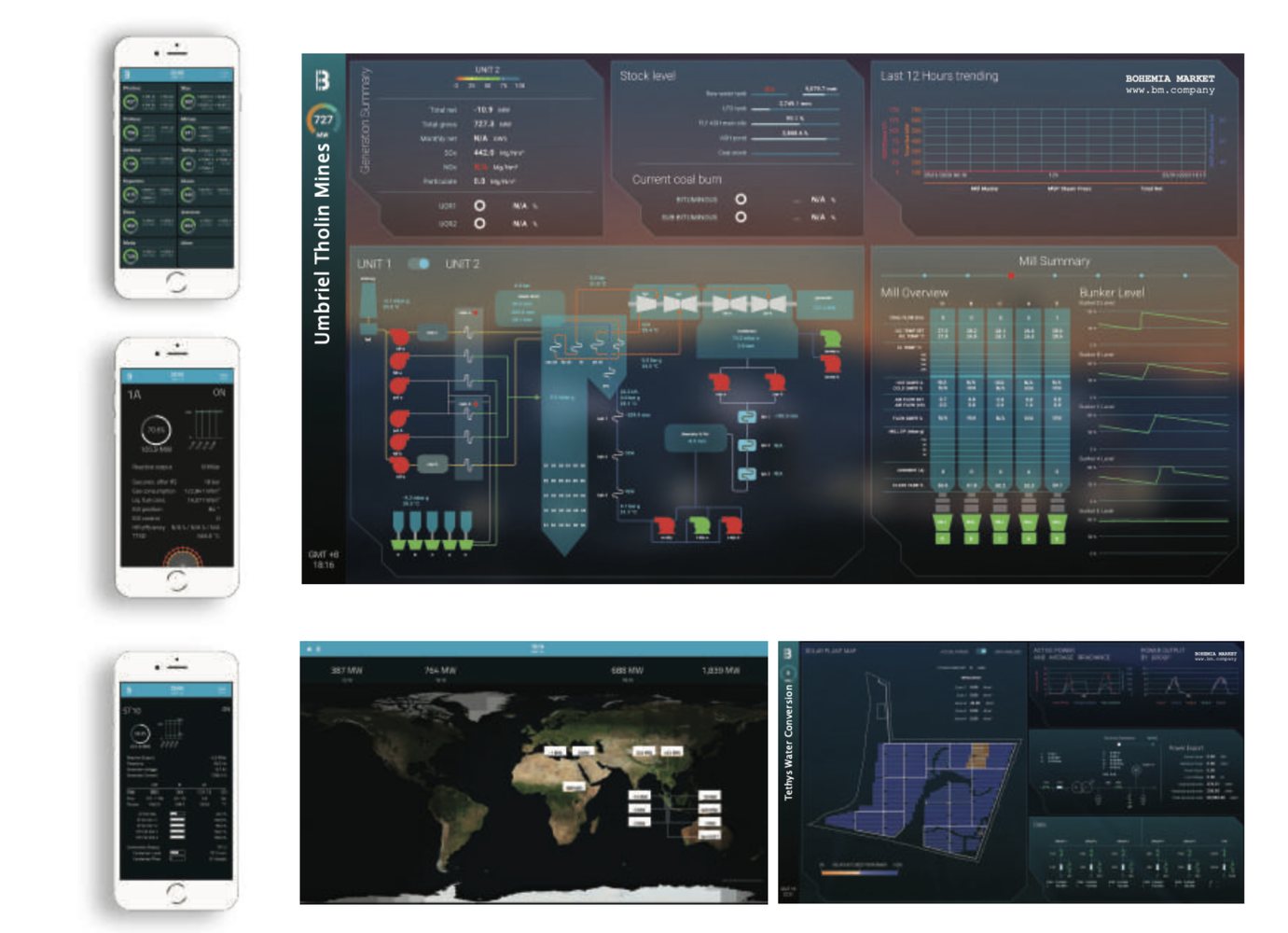
An operator managing eleven power stations across three continents faced a monitoring nightmare. Each station used different systems: Siemens T3000, ABB, GE Mark V, GE Mark VI, various OPC and Modbus configurations. Data resided in obsolete systems with undocumented protocols. Remote monitoring was inefficient and insecure.
The deployment: two redundant secure data transfer devices per station, integration across all protocols and systems, encrypted VPN delivery to a centralized monitoring system, and unified dashboards accessible on videowalls, phones, and computers. Operators gained real-time oversight of all eleven stations from a single control room.
What These Cases Share
Different industries. Different systems. Different problems on the surface. But the same root cause: data trapped in operational systems with no secure, reliable, automated way to reach business systems.
The penalty varies. For power generation, it's millions lost to PPA breaches. For solar, it's energy yield lost to undetected faults. For gas turbines, it's unplanned outages and emergency repair costs. For multi-site operations, it's the inability to see what's happening in real time and respond before small problems become catastrophic.
The solution is the same: create a secure, automated, maintainable data path that works with existing systems, enforces cybersecurity at the hardware level, and gives business systems the data they need without compromising operational systems.
What Changes When Data Flows Correctly
Operations teams stop spending their mornings reconciling data. Finance teams stop chasing missing numbers. IT teams stop worrying about backdoors into OT systems. Maintenance teams detect faults before they cause shutdowns. Executives stop seeing preventable penalties on quarterly reports.
The plant doesn't change. The equipment doesn't change. What changes is the visibility, the accuracy, and the confidence that the numbers are right.
The Benefits: What Your Team Stops Worrying About
When industrial data transfer is handled correctly—automated, secure, and built for the systems already in place—teams across the organization experience measurable relief from daily operational friction.
For Operations and Plant Managers:
- No more logging into multiple systems each morning to search for data
- No more manual data entry or spreadsheet reconciliation
- No more delayed or missing signals that break billing calculations
- No more guessing which vendor caused the data error
- Automated, accurate reporting on plant status in the format required by finance, compliance, or management
- Real-time fault detection that allows maintenance before breakdowns, not after
For Finance and Compliance Teams:
- No more penalties for late or inaccurate reporting
- No more PPA breaches due to data discrepancies
- No more worrying about bonus cuts tied to performance metrics that depend on flawed data
- Confidence that billing data is accurate, timestamped correctly, and delivered on time
For IT and Cybersecurity Teams:
- No more worrying about OT/IT communication being hacked from outside the facility
- Corporate software installed on the IT side with full IT department control
- Hardware-enforced, one-way data flow that makes OT systems hacker-proof from external threats
- No backdoors, no remote access vulnerabilities, no compromise between operational safety and data access
For Executives and Asset Owners:
- No more questioning whether the monitoring system actually works
- No more situations where problems are hidden or ignored because reporting is difficult
- Visibility across all sites, all systems, all assets in real time
- Confidence that data-driven decisions are based on accurate, timely, and complete information
The Technology Behind the Solution
SecureRTU: The Foundation
SecureRTU is a flexible platform concept for building Remote Terminal Units (RTUs) designed for secure automation, data acquisition, and control in power and critical infrastructure. It supports modular architectures, enabling both compact and large-scale installations with options for various communication cards, measurement channels, and protection modules.
Built on international standards ( IEC 61850, IEC 60870-5-101/104, DNP3), SecureRTU ensures maximum reliability, safety, and interoperability with SCADA and HMI systems. Security is foundational: encrypted protocols (TLS, IPsec, IEC TS 62351-3), robust authentication, remote firmware updates, and proactive monitoring minimize cybersecurity risks.
BeyPur One - First RTU in the world with data diode build-in
BeyPur One is a direct implementation of the SecureRTU philosophy—a ready-to-deploy, field-tested RTU product pre-configured for specific operational needs. It inherits the full SecureRTU cybersecurity stack: secure communication, encrypted data storage, multi-factor access, and proactive monitoring, all optimized for industrial environments.
Whether the application is energy, renewables, substations, or remote sites, BeyPur One reduces deployment risks and operational overhead by delivering a trusted, proven solution that integrates with existing systems without requiring wholesale replacement.
ICS Secure Data Transfer: The Complete Data Path with AI interface
ICS Secure Data Transfer is a comprehensive, plug-and-play platform that ensures seamless data flow, real-time monitoring, and proactive analytics across industrial facilities. It addresses the core challenge: moving data securely from operational technology (OT) to enterprise IT and cloud environments without compromising security or requiring complex manual processes.
Key capabilities:
- Hardware-enforced security: One-way data diodes ensure that data flows out of OT systems but nothing flows back in. No remote access. No backdoors. No attack surface from the internet into the plant.
- Protocol and system integration: Works with existing infrastructure—Siemens, GE, ABB, Emerson, OPC DA, OPC UA, Modbus, IEC 104, FTP, SQL databases, and more. No need to replace what already works.
- Cloud-ready architecture: Deployed on AWS with full customer control. Uses AWS Control Tower, EC2, RDS, VPN, and Active Directory for user management and role-based access.
- Automated data collection and validation: Eliminates manual intervention. Data is captured, synchronized, validated, and delivered on schedule—every time.
- Flexible and customer-adjustable: Powered by NodeRED, the data flow can be tailored to specific operational needs while maintaining robust security.
- Compliance and standards: Follows DevSecOps practices, passed penetration testing, meets FIPS 140-2 cryptographic standards, and supports HIPAA, PCI DSS, FISMA, and NIST requirements.
Proven results across industries:
- 11 power stations across three continents: Centralized monitoring, real-time oversight, enhanced cybersecurity.
- Power plant billing accuracy: Eliminated penalties, recovered millions in annual revenue, automated reporting.
- Utility-scale solar monitoring: Increased energy yield, reduced downtime, proactive fault detection.
- Gas turbine predictive maintenance: Real-time analytics, automated reporting, increased operational resilience.
Why This Matters Now
Industrial operations are under pressure. Power Purchase Agreements demand precise reporting. Renewable energy assets must maximize yield. Cybersecurity regulations are tightening. Aging infrastructure must integrate with modern analytics and cloud platforms.
The organizations that succeed are the ones that solve the data problem—not by replacing everything, but by connecting what they have in a way that's secure, reliable, and maintainable.
BeyPur One and ICS Secure Data Transfer provide that connection. They work with what's installed. They enforce security at the hardware level. They automate what used to be manual. They give every part of the organization—operations, finance, IT, maintenance, executive leadership—the visibility and confidence to do their jobs without fighting the data.
The future of industrial operations isn't about more complexity. It's about systems that work, data that flows, and teams that can focus on what matters instead of reconciling spreadsheets.
If you want to know how you can do that for your control systems, message me and get on a call with me (no obligations on your part).