Beyond Purdue / an authority model for industrial control
Purdue sorts devices by where they sit. Beyond Purdue sorts them by what they are allowed to do.
Eight laws decide who is allowed to act on a plant. Protection comes first and stays hardwired. The operator decides. Data lives in small, named, independent nodes, and the data diode keeps every lane one way.
1 The main principle
The Laws of Authority
A lower-numbered law always overrides a higher one, as in Asimov's laws of robotics. Everything else on this site follows from them.
Who is allowed to do what
Six levels, sorted by authority rather than by network position.
Only L0 and L1 touch the process. L4 is the operator. L5 is the AI. Protection stays hardwired.
2 Data in independent nodes
Every signal is a small page of its own
Data does not live in one big database. Each signal, asset or record is an independent node with its own name, its own data and its own meaning. All that follows is a result of it.
The nodes are the L3 Data nodes of the data plane. They hold and serve; they command nothing. The technology works with the humans: DNS, IPv6, multicast and OPC UA, all of it familiar.
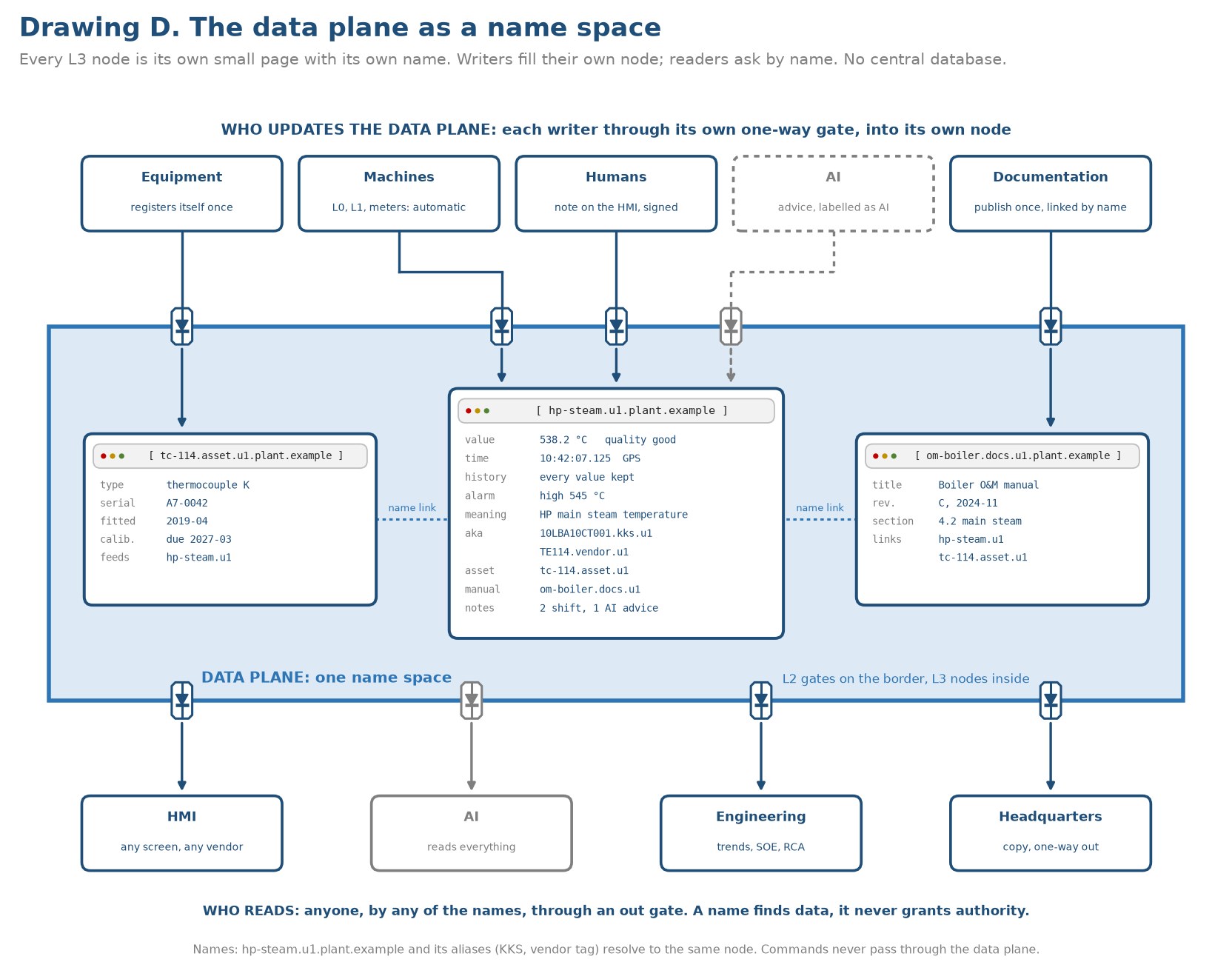
hp-steam.u1.plant.example          the node
10LBA10CT001.kks.plant.example     alias: KKS code
te114.vendor.plant.example         alias: vendor tag
hp-steam-temp.hmi.plant.example    alias: HMI name
asset-20417.cmms.plant.example     alias: asset number

dd01.u1.plant.example              a data diode
asset-4711.cmms.plant.example      alias of dd01
3 Names and asset management
Naming is always the big issue
Every node has a DNS-style name, because people already read names like these. Aliases let every name a plant already uses find the same node.
A name is updated automatically when a node is born, by a person, or by a shout from equipment. Every data diode is named the same way, as an asset.
At least two copies
Every node lives on different hardware, power and rooms. Both copies listen to the same shouts, so losing one loses nothing.
Commands leave two marks
Every command is recorded as given by the operator and as executed by the controller. The record grants nothing; it remembers.
People work inside the plant
Maintenance is part of operation. While someone works, L0 holds the lock, and no level commands a locked machine.
4 The enabler
The levels hold because the diode holds
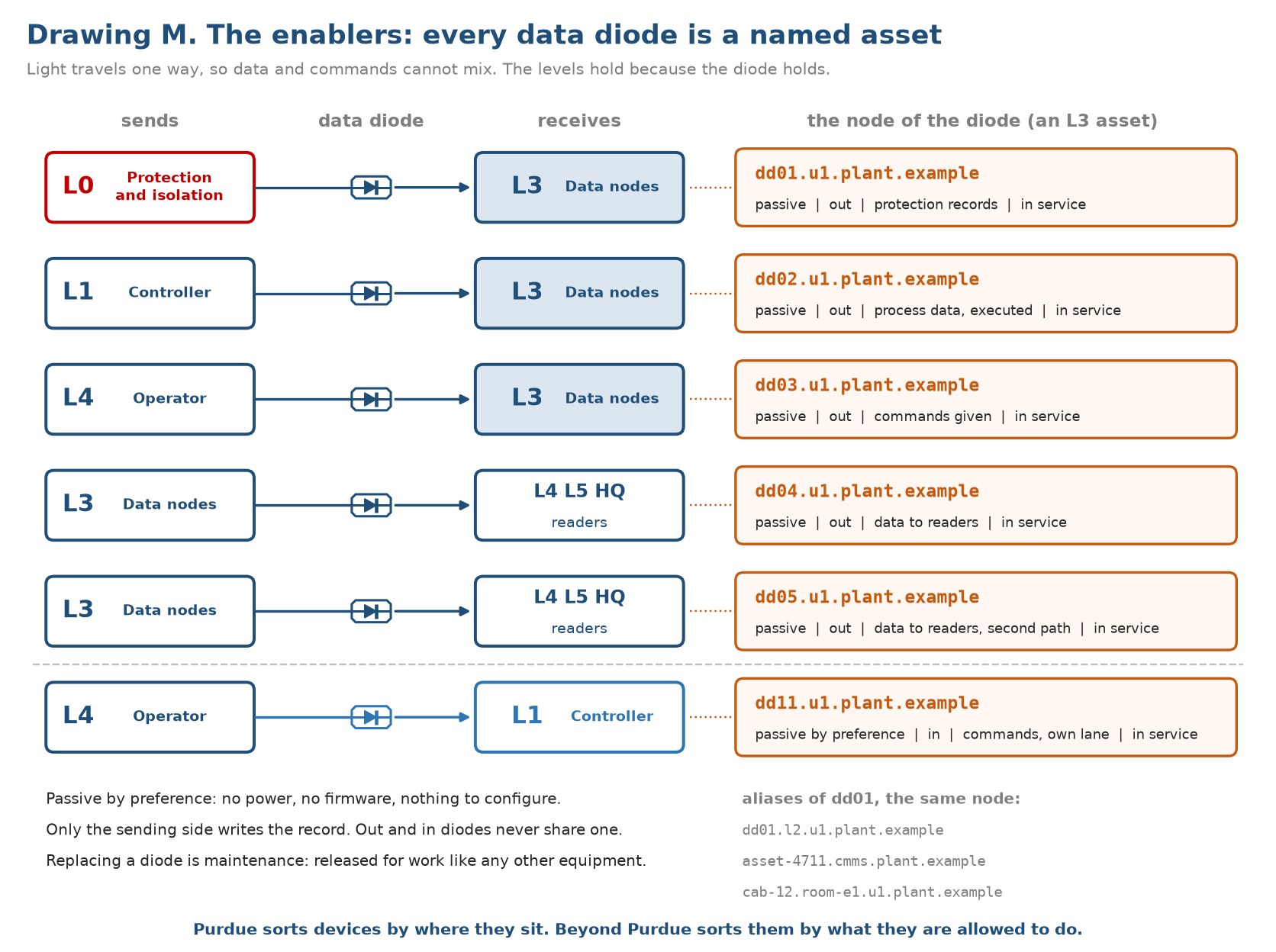
The isolator lets light pass one way only, so data and commands cannot mix. A passive data diode has no power, no firmware and nothing to configure. It is as predictable as a relay or a padlock.
Each diode is an L3 asset with a name. dd04 and dd05 carry data to the readers on two separate paths; commands come in on their own lane, dd11.
The Works
The whole model, in order
The narrated video and the overview slides follow the same order: the laws, the nodes, the names, then everything else. The documents carry the full wording and sources.
- The Laws of Authority, One PagerV1.0 · PDF
- The Laws of Authority, StatementV1.0 · PDF
- The Laws of Authority, ArticleV1.0 · PDF
- Levels of Authority DrawingsV1.1 · PDF
- Data Plane ConceptV1.0 · PDF
- Eight Questions by Level of AuthorityV1.0 · PDF
- Data Diodes as the EnablerSuggestions V0.1 · PDF
- Maintenance is OperationSuggestions V0.1 · PDF
Start here
Beyond Purdue and the diode
The channel idea, the passive data diode, and why isolation works where detection cannot.
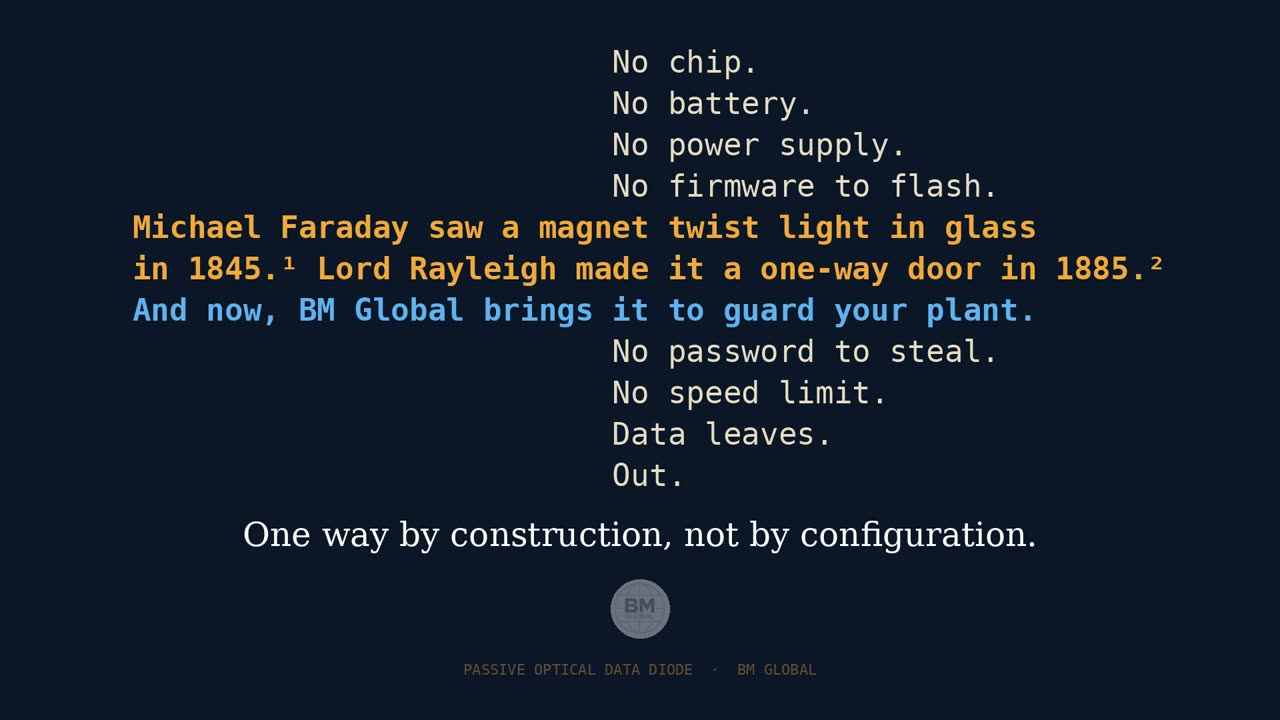
The passive data diode: one way by construction, not by configuration
How the isolator works, how to measure it yourself, and what data only needs to leave a plant.
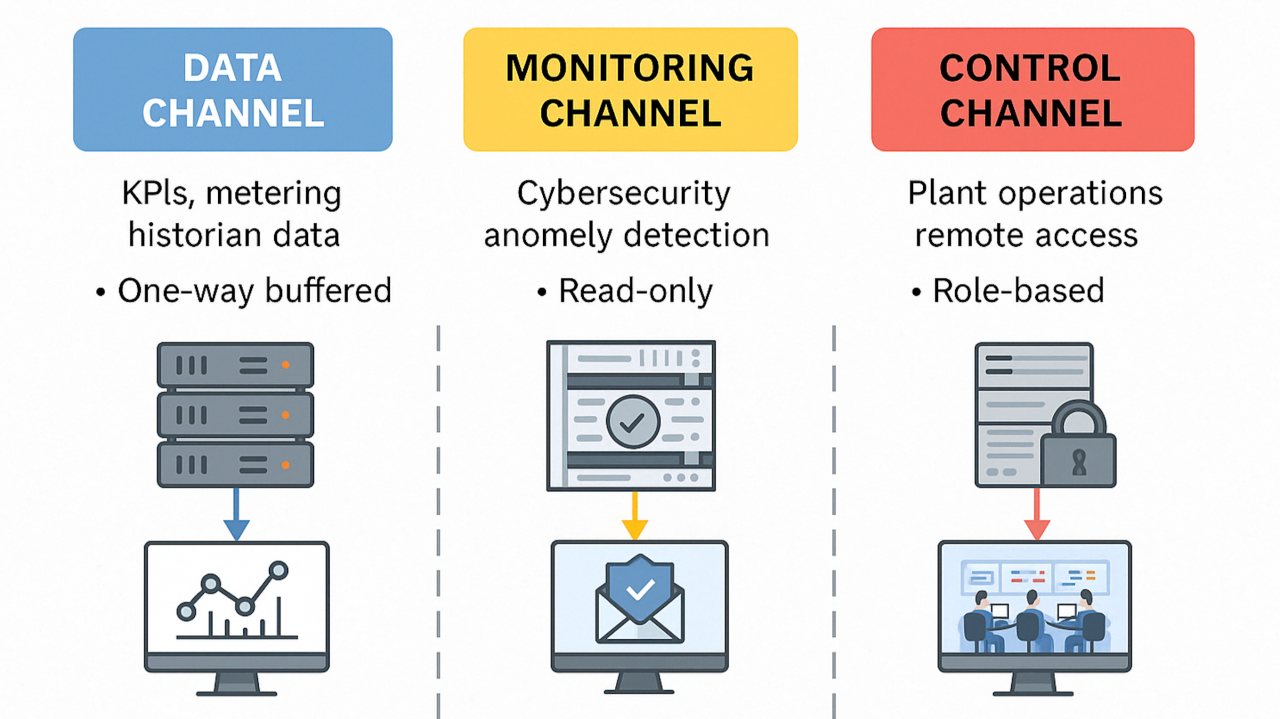
The 3-Channel Architecture That Replaces Purdue
The Purdue Model gave us a structure to separate OT from IT. But that separation no longer works—at least not the way it was intended.

Goodbye Layers, Welcome Channels: Why Logics and Functional Diagrams Must Be Treated as Real Assets
Let me share two real-world stories with you. They reveal the very risks we face when control logics, configurations, and software environments are treated as afterthoughts — instead of core...
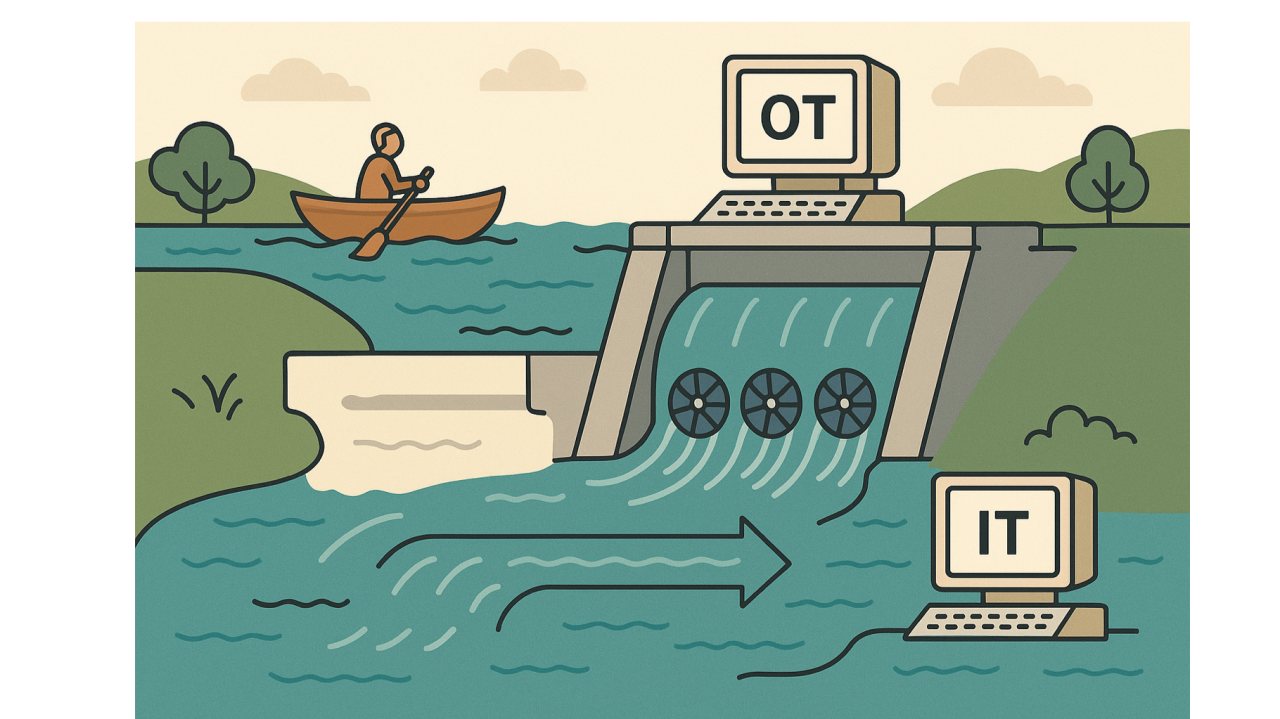
What is a data diode?
Two magic words that explain nothing—so let’s start with a simple thought experiment.
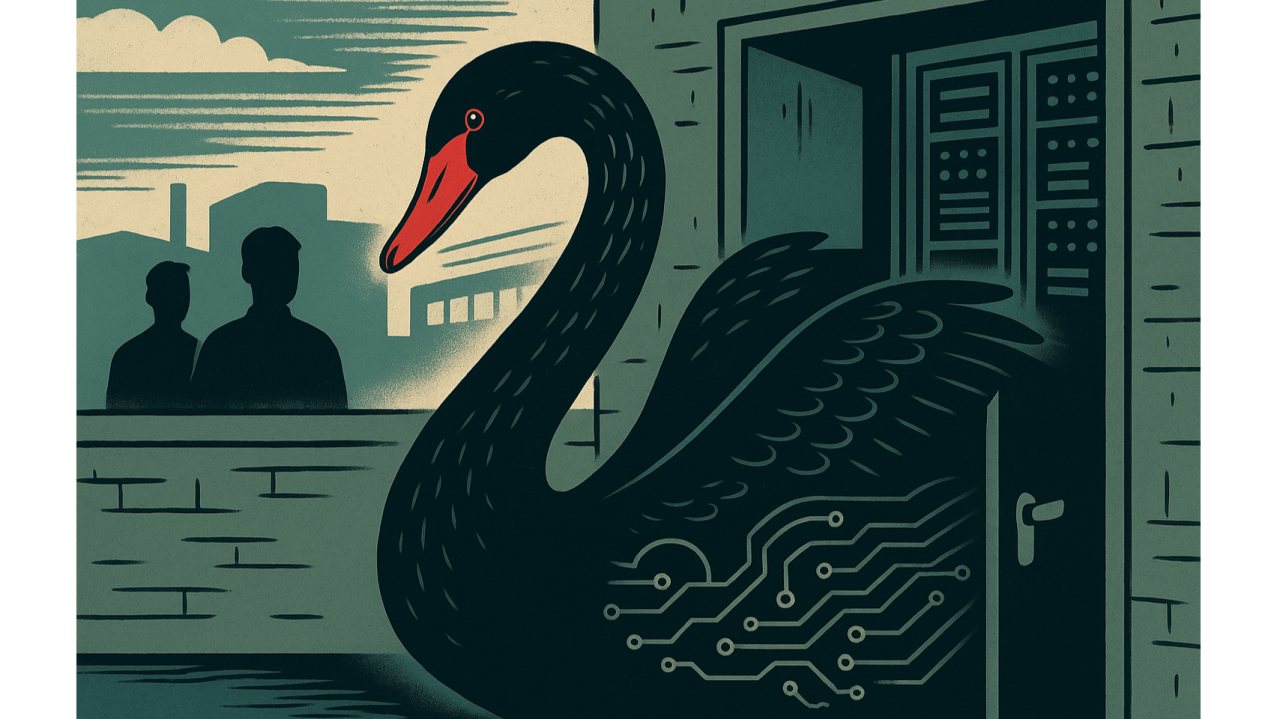
We Can’t Detect What We Don’t Know — But We Can Isolate
At 2 AM, the control room is quiet. Screens glow faintly. The plant hums along.
The newsletter
Three at random
A different three on every visit, from all 54 stories from real plants: legacy that still works, data diodes explained without jargon, and the cost of trusting the wrong layer.
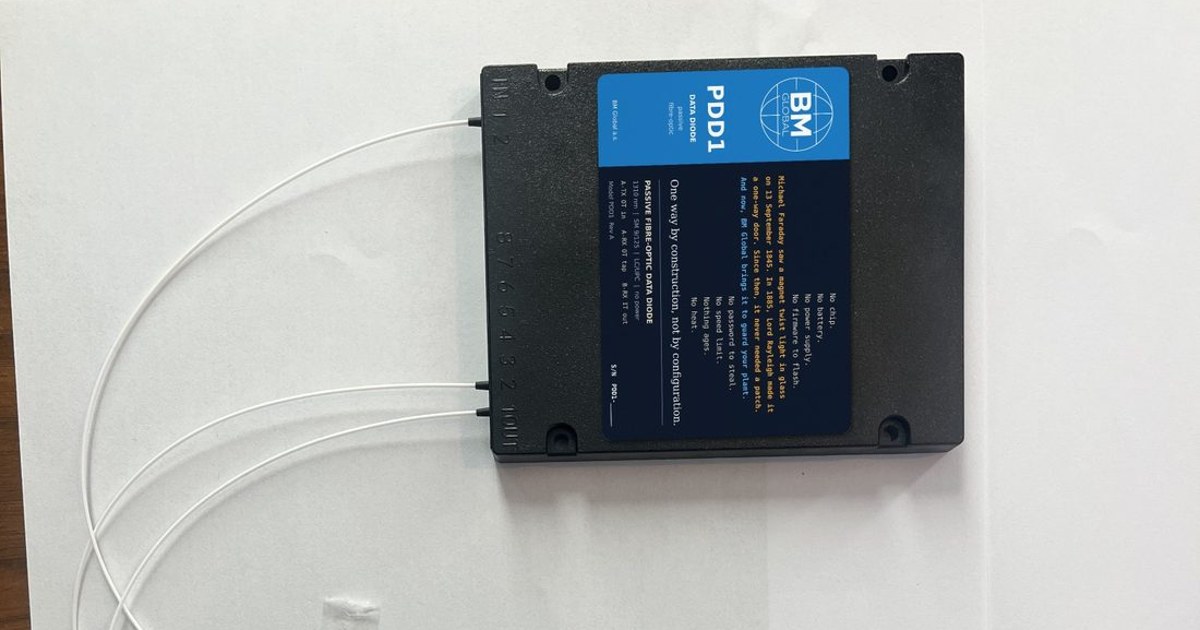
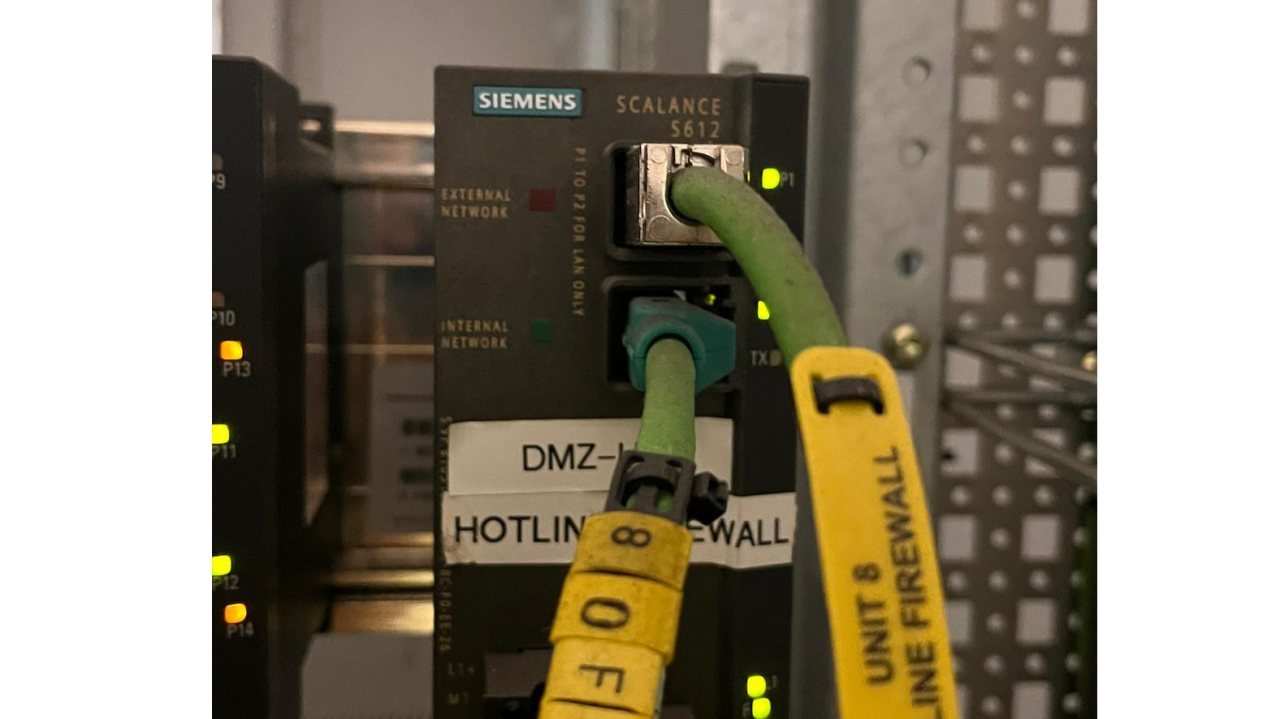
The drawing and the box
The passive data diode drawn port by port, and the real module it describes.
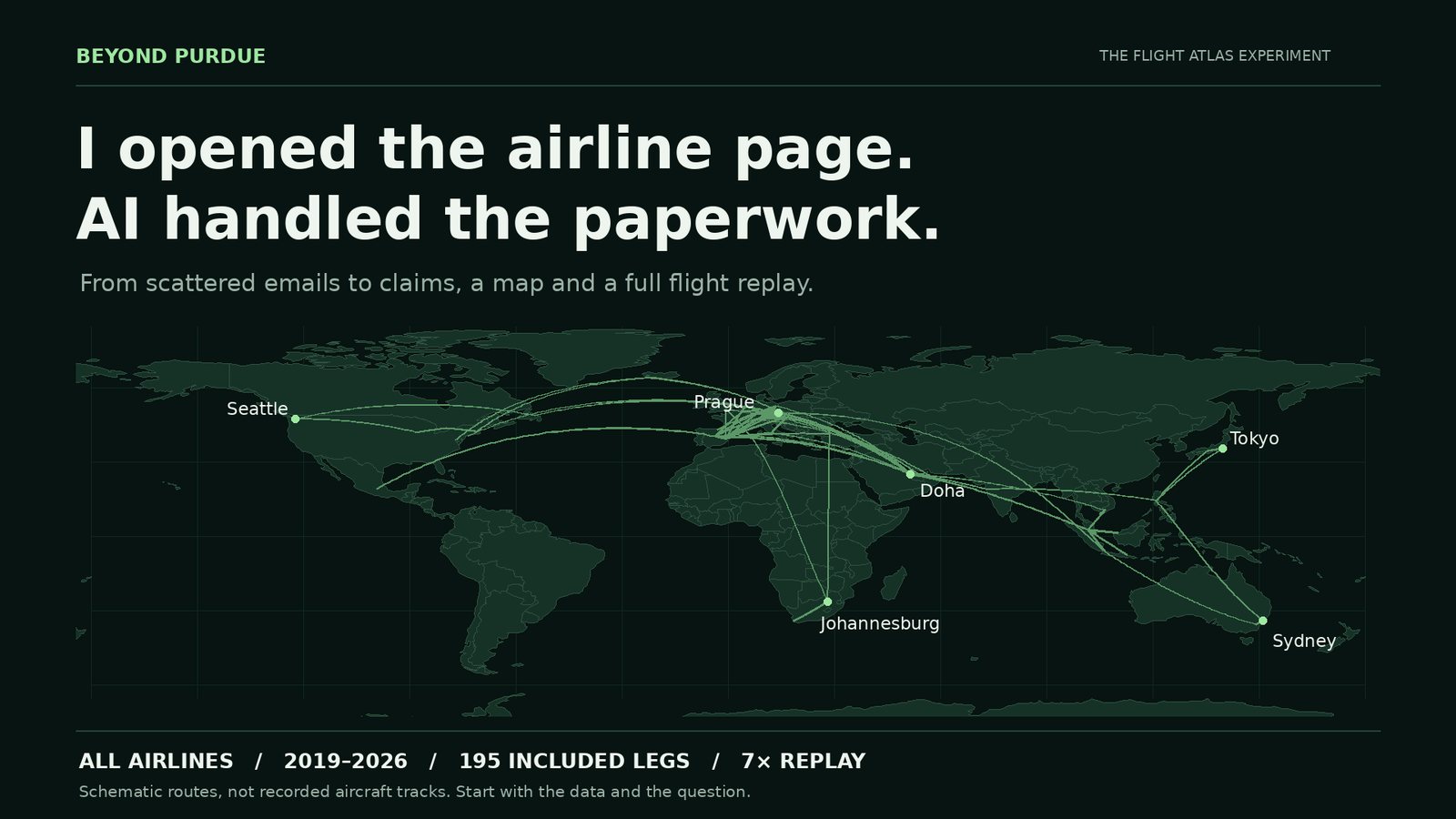
I asked for to fill missing miles ....
I did not fill in a single missing-mile claim form. I opened the airline's web page, made sure I was logged in, and asked my AI assistant to handle it.
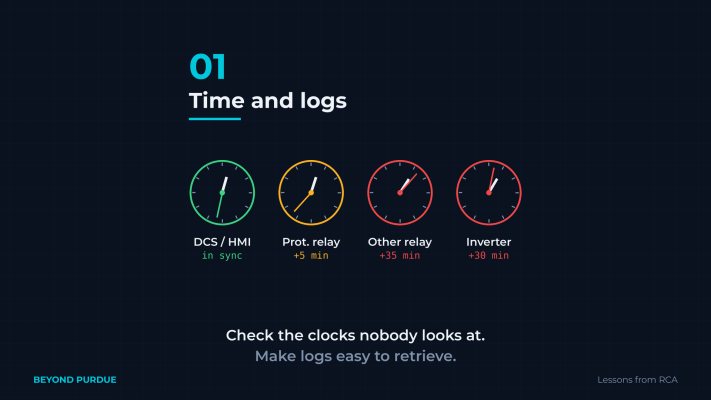
Four Things Every RCA Taught Us to Check at Recommissioning
Time, grounding, DC supplies and the UPS. Unimportant to many, Important to run system reliably.
The drawing and the box
The passive data diode drawn port by port, and the real module it describes.
I asked for to fill missing miles ....
I did not fill in a single missing-mile claim form. I opened the airline's web page, made sure I was logged in, and asked my AI assistant to handle it.
Four Things Every RCA Taught Us to Check at Recommissioning
Time, grounding, DC supplies and the UPS. Unimportant to many, Important to run system reliably.

The Day Software Became a Language
For fifty years the answer was simple. A program was something only programmers could make. You needed years of training, a team, a budget and a company willing to carry the risk. Everyone else...
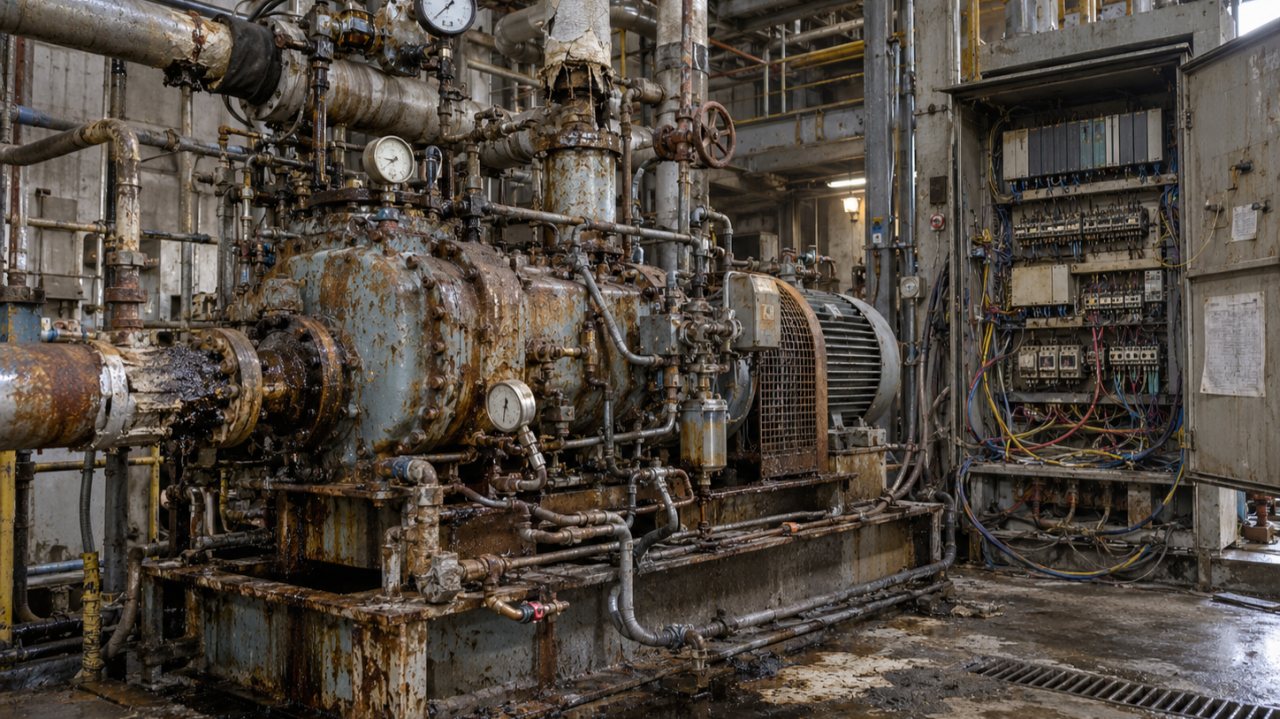
Why "Free Proofs of Concept" is a way to destroy best specialised companies on market
A large industrial company recently asked us to look at a group of ageing control systems in packaged equipment such as compressors.

The most powerful tools we ever built, and never learned to use
Unix gave us sed, awk, grep, find, xargs and later git. Between them they can restructure a million-line export, reconcile two data sets, or reconstruct the history of a change in a single line of...
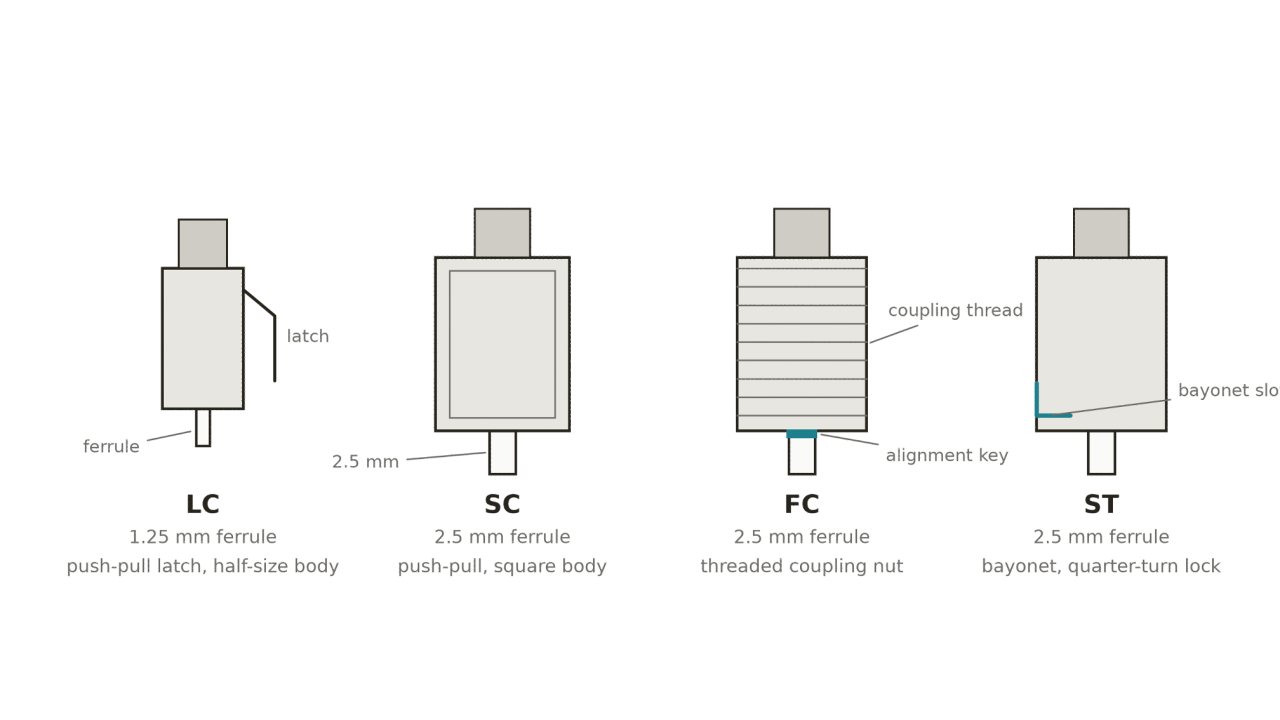
Fibre Optic Connector Types
Every optical port on a data diode link is specified by two independent choices: the connector family, which is the mechanical shape of the plug, and the polish, which is the geometry ground onto...
5 questions board should ask
The board does not need to become a firewall engineering team. But the board does need to ask better questions.
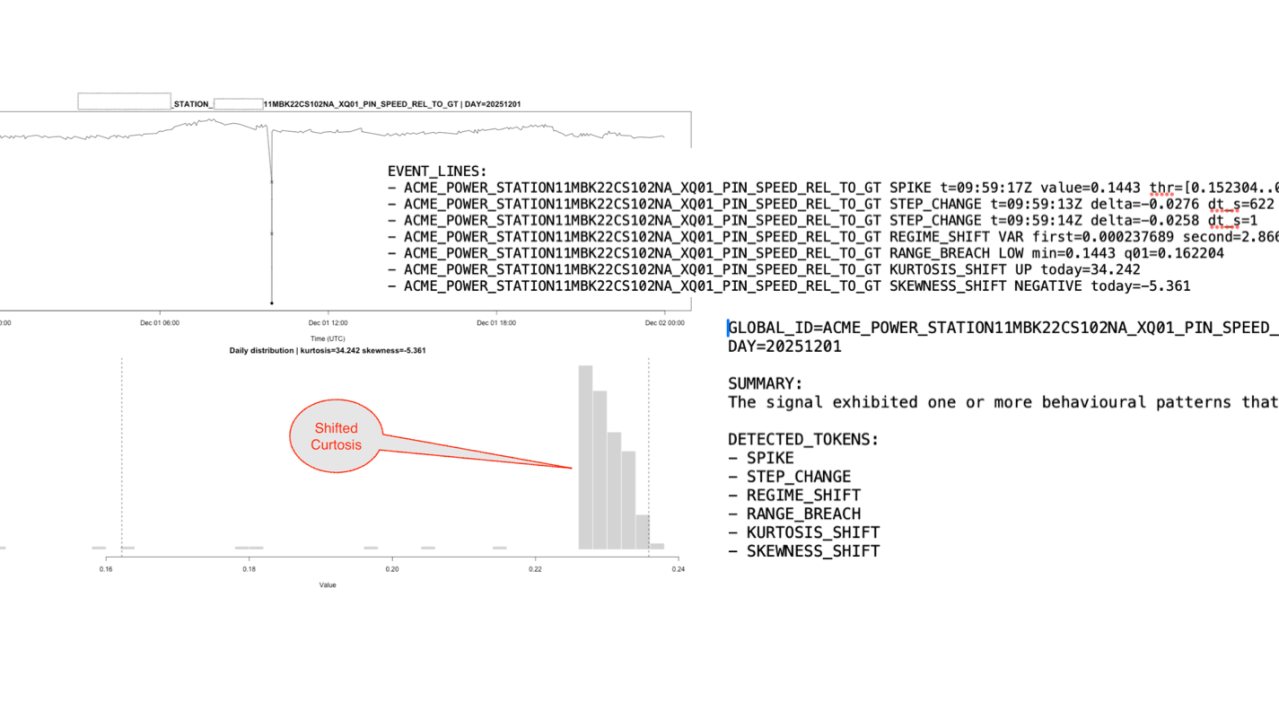
COBOL? Close to Source. Meaning Tags. Why Everyone Should Be Able to Work With Plant Data — Without Programming
Continuing from #057: Your AI Analytics Platform Is Built on a Chain of Broken Rulers
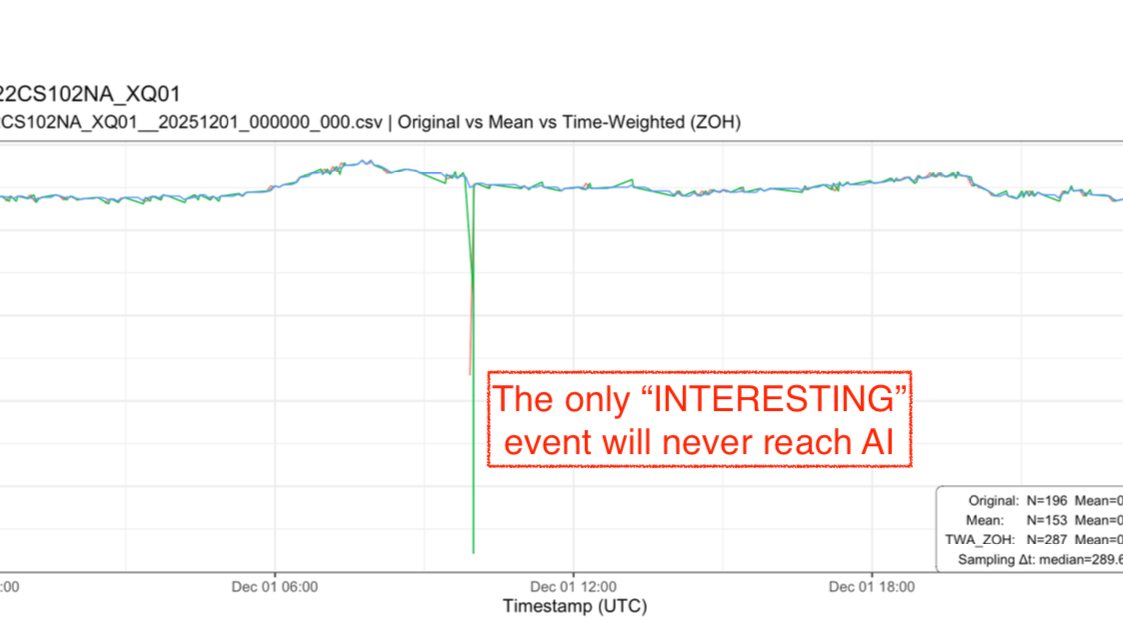
Your AI Analytics Platform Is Built on a Chain of Broken Rulers
If you haven't, you should. Because right now, across the industry, probabilistic outputs from AI analytics platforms are being trusted for maintenance decisions, risk scoring, and anomaly...
One question beats 200 pages
I stood in front of 64 engineers and managers at one of the largest power utilities in Africa.
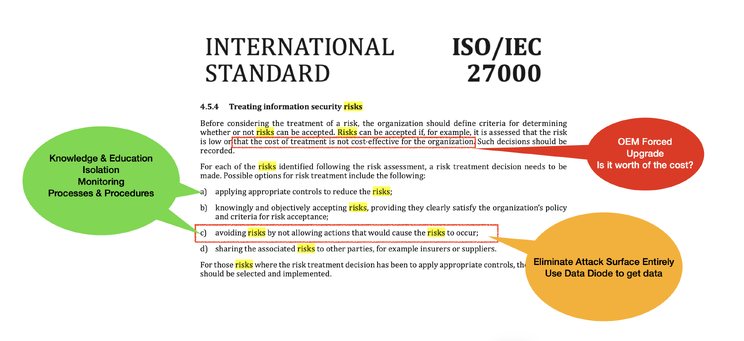
Beyond Purdue: When the Supplier Marks Its Own Cybersecurity Homework
It gives us language. It gives us layers. It helps people understand why a control system should not be treated like an office network.
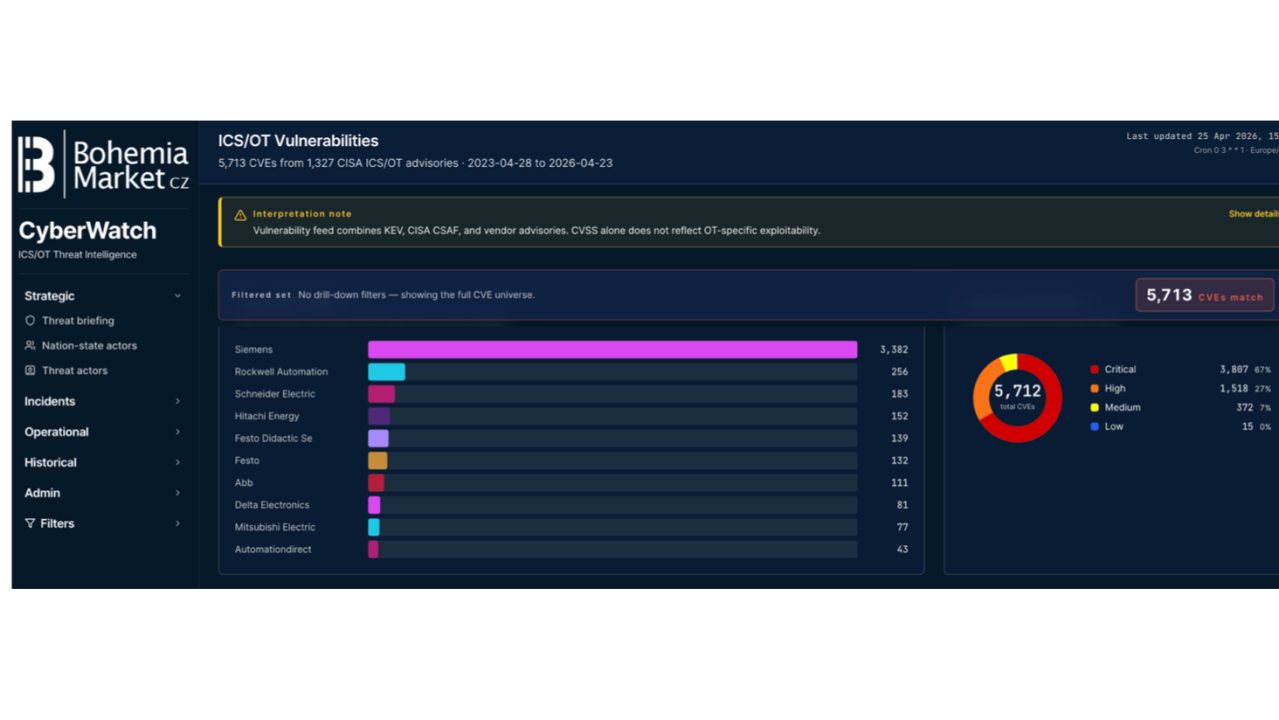
Firewall. Remote Access. CVE 10. Stop Calling It Cybersecurity.
OEM keeps pushing for upgrades ... is new better? Think again!
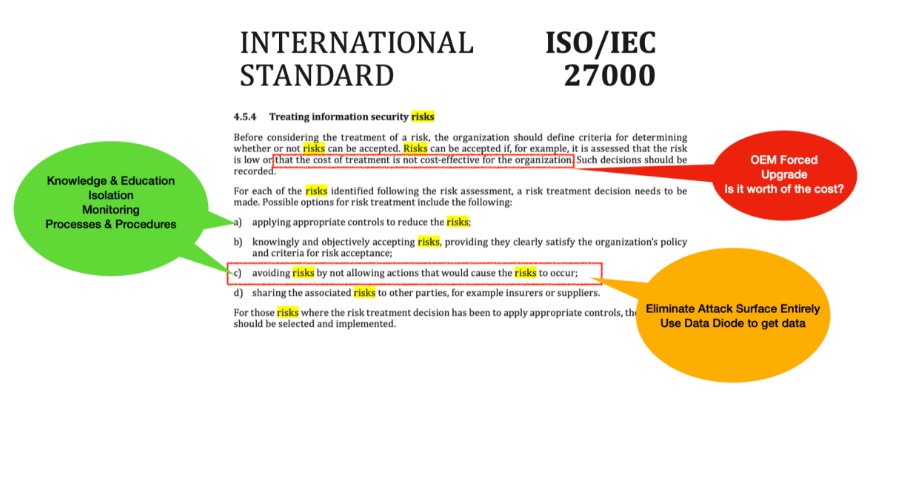
Stop Calling your proven DCS System Obsolete – think again!
Is the replacement and upgrade of the system only solution how to treat information security risks? Why would you replace stable and proven system with “something” new which require constant...

Statistics & Probabilities – Mistakes to Avoid
This comment is based on “Nassim Taleb” book “The Black Swan” which must read for everyone working with data, statistics and digital twins.
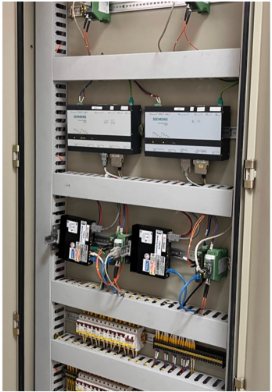
Powerplant Tariff Meters Upgrade
After the generator, the second most important part of the power station is the tariff metering system, because it converts produced energy into money, allowing the plant to invoice and get paid.
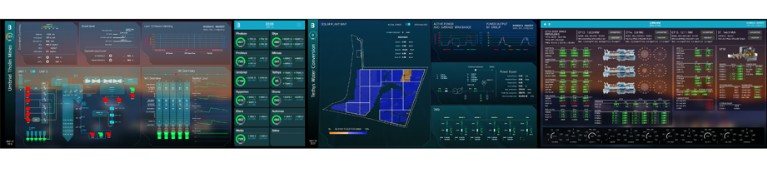
RCA Made Simple
Printing logs to find turbine trips? Use your fingers instead, right on a tablet.
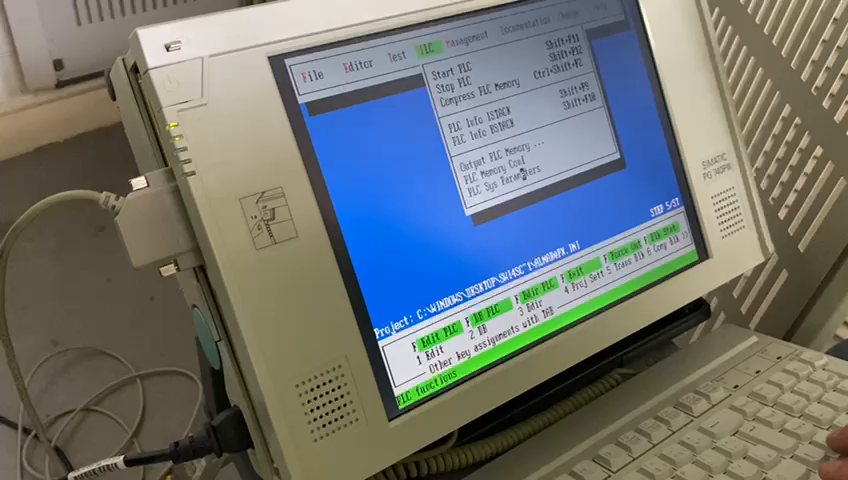
Stop Calling Proven Control Systems Obsolete
Beyond Purdue starts with a simple observation. Control systems do not suddenly lose value when they cross an arbitrary age line. Siemens S5, T2000, and similar platforms were engineered for long...

25 Minutes of total chaos
Should critical infrastructure be running on the cloud? Definitely not!
10 x price increase in six months – Broken Supply Chain
We have seen it all – after many experiments, countless hours and sleepless nights and setup hassles you find right combination of the software(s) which fulfils all contradictory requirements.
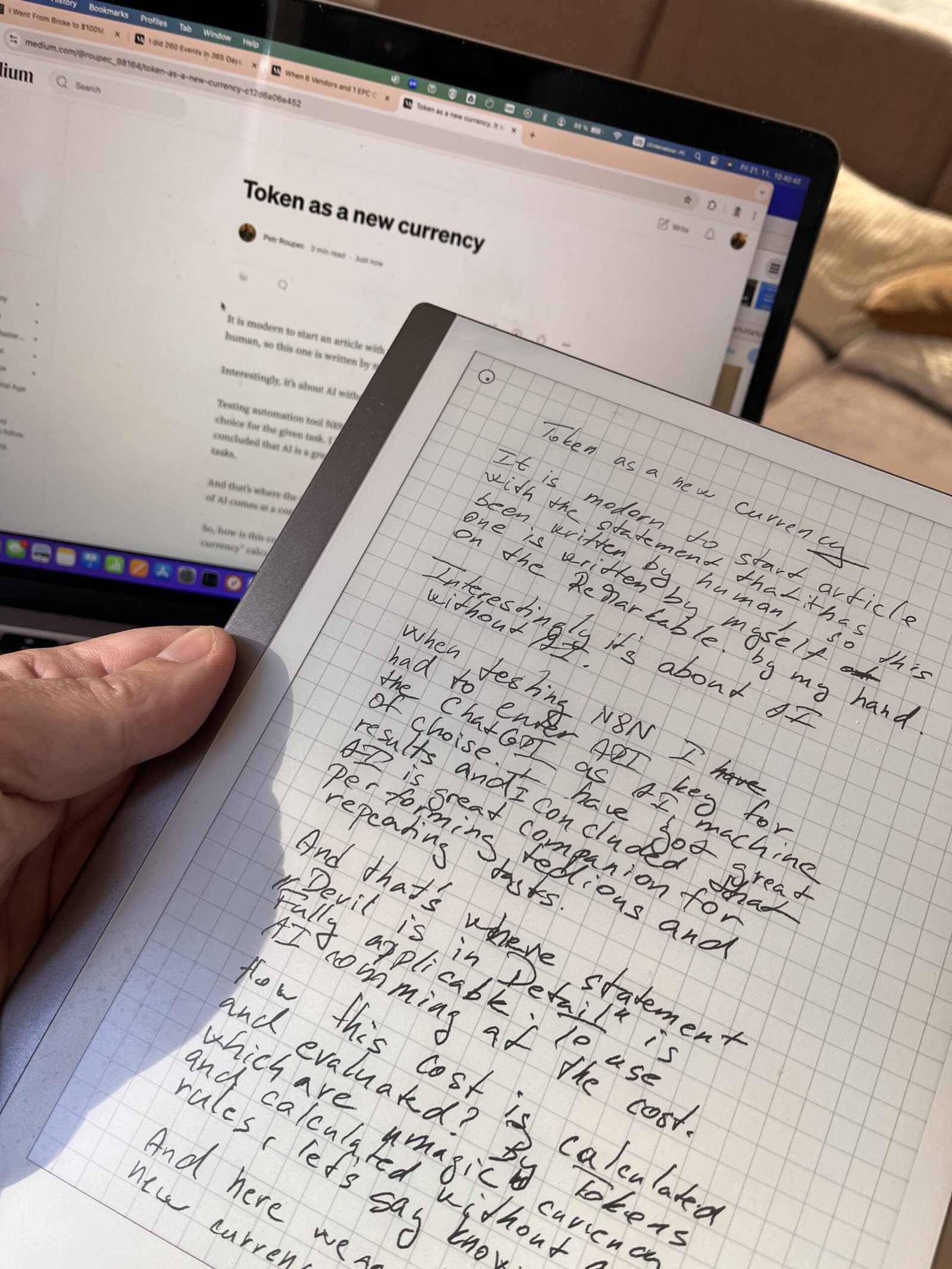
Token – AI Tokens as a new currency
It is modern to start an article with the statement that it was written by a human, so this one is written by myself on the Remarkable by my hand.

Solar 506x more wasteful than nuclear
Every energy source has trade-offs. Let's demand higher standards, not double standards.

Different Industries, Same Data Struggles – Three Scenarios, One Solution
A regional electricity provider operates several mid-sized coal and gas plants. Their business depends on accurate, timely metering to meet Power Purchase Agreement requirements. Yet they rely on...
Fixing the Flow: Educating Industrial Leaders on Data Integrity
Industrial plants, refineries, and utilities run on information. Every minute, sensors collect thousands of signals. These readings drive decisions: when to adjust a turbine, how to optimize a...
When Every Minute Counts: A Day in Industrial Operations
Marcus arrived at the control room seven minutes early. He preferred the quiet before shift handover, the moment when screens still told yesterday's story before today's chaos began.
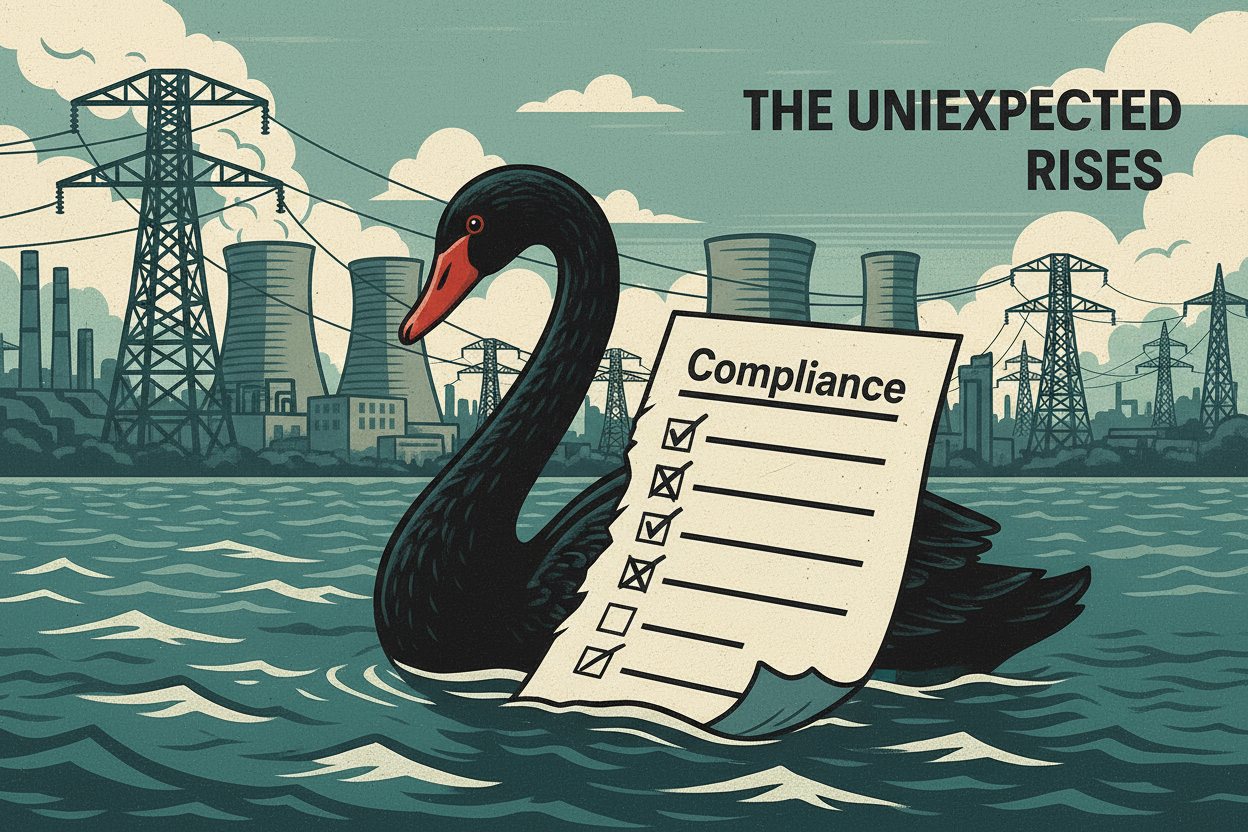
Bureaucracy vs. Real Security
The modern state of cybersecurity in industrial environments is plagued by bureaucracy and compliance theater. The real frustration comes not from the complexity of technical solutions, but from...
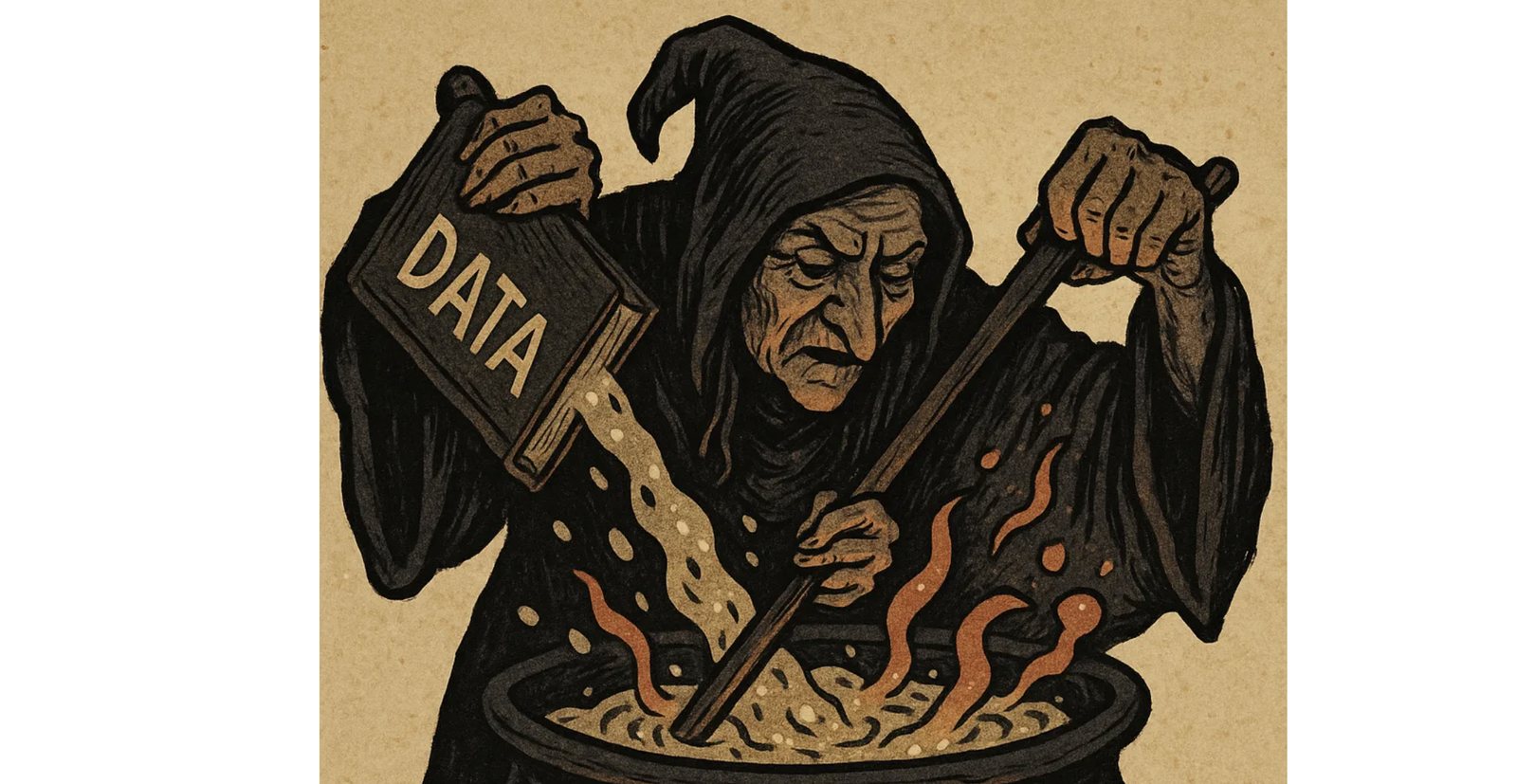
AI Doesn’t Think, AI don’t “understand”. It Remixes.
People keep saying today’s AI models will one day match human intelligence. All they need is more data, more compute, more time. That belief is absolutely wrong.

Network Devices Demystified – Data Diode
Video episode of Beyond Purdue.
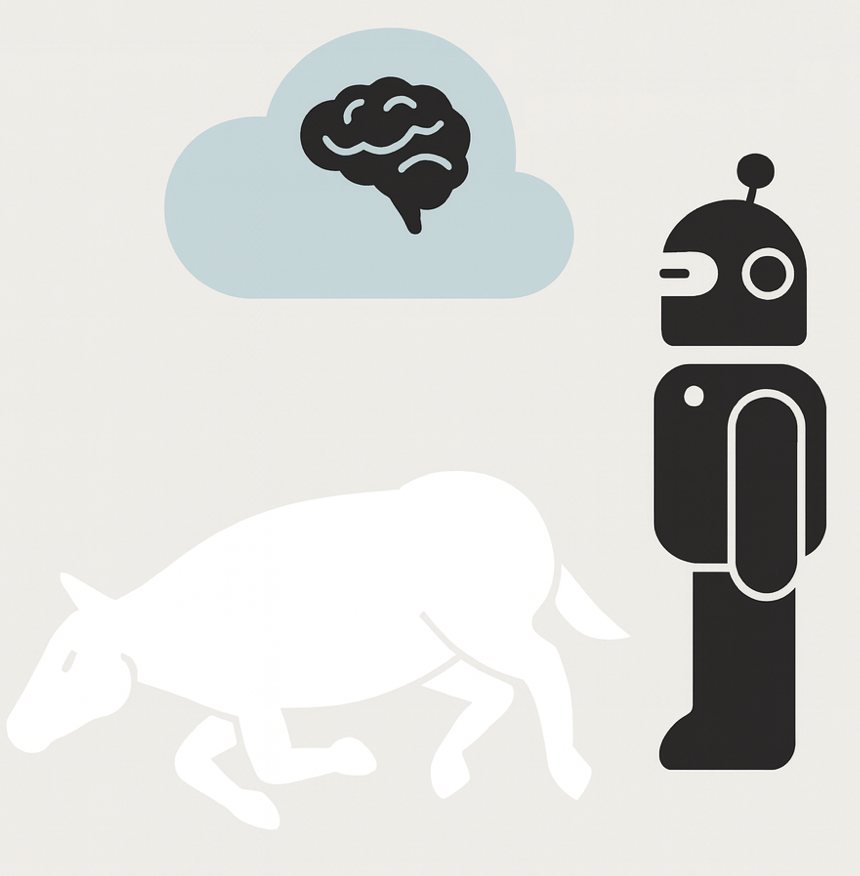
Beating the Dead Horse or Riding It Wisely?
Artificial Intelligence is not dying. It is maturing—painfully. Every few years, technology reaches a point where hype outruns economics. The recent warning that today’s 20-dollar AI tools could...
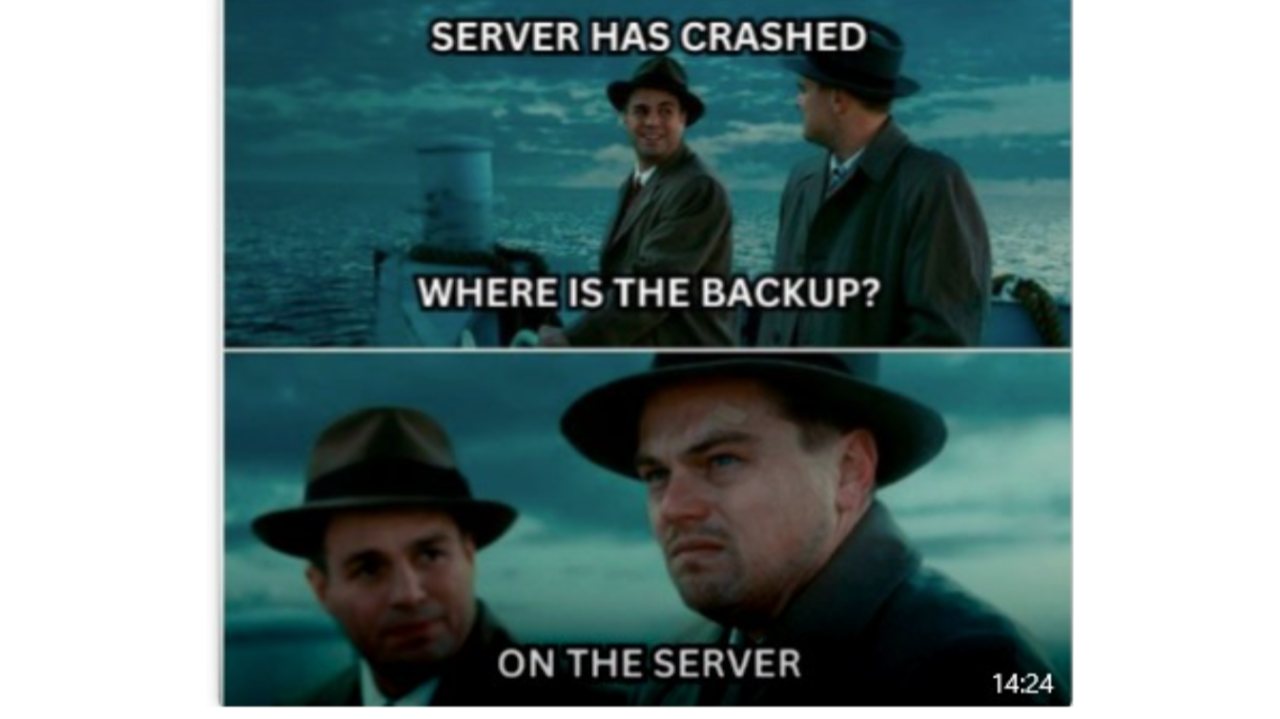
18 000 USD Would Have Saved a Nation — The South Korean Data Center Disaster
South Korea just learned what “digital transformation” really means when you forget the basics.
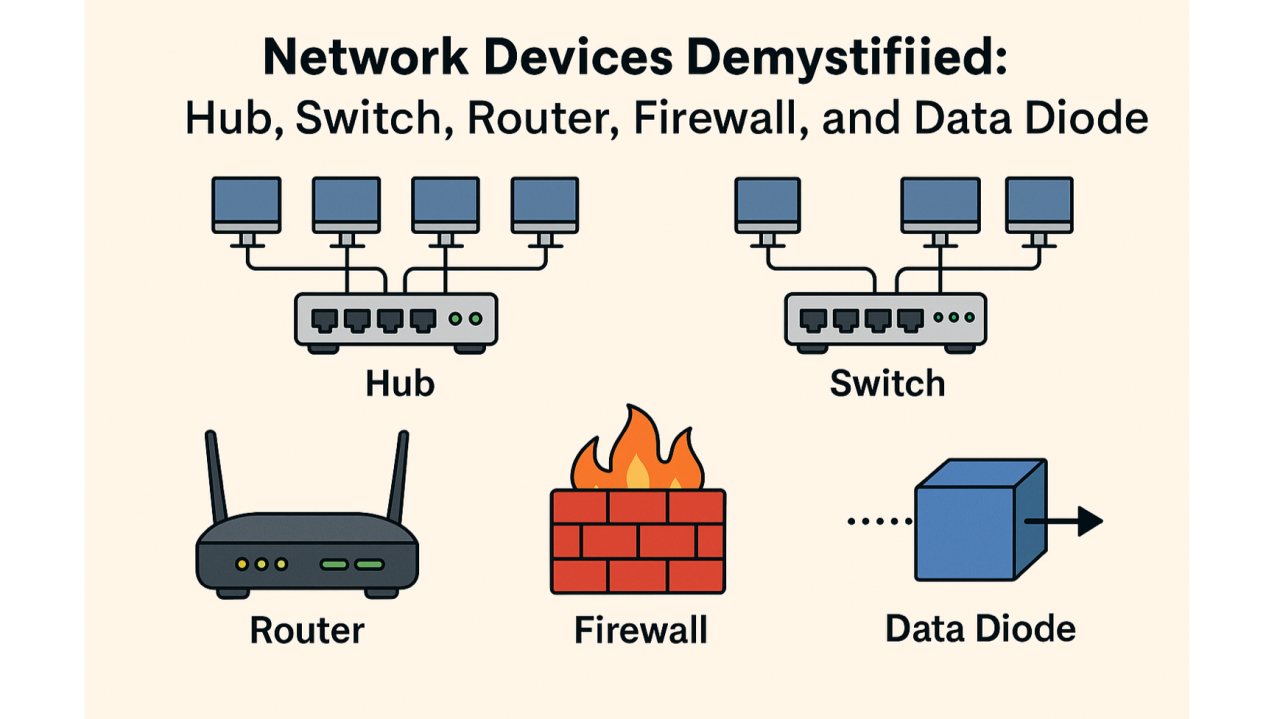
Network Devices Demystified: Hub, Switch, Router, Firewall, and Data Diode
All of them are networking devices, and each plays a specific role.
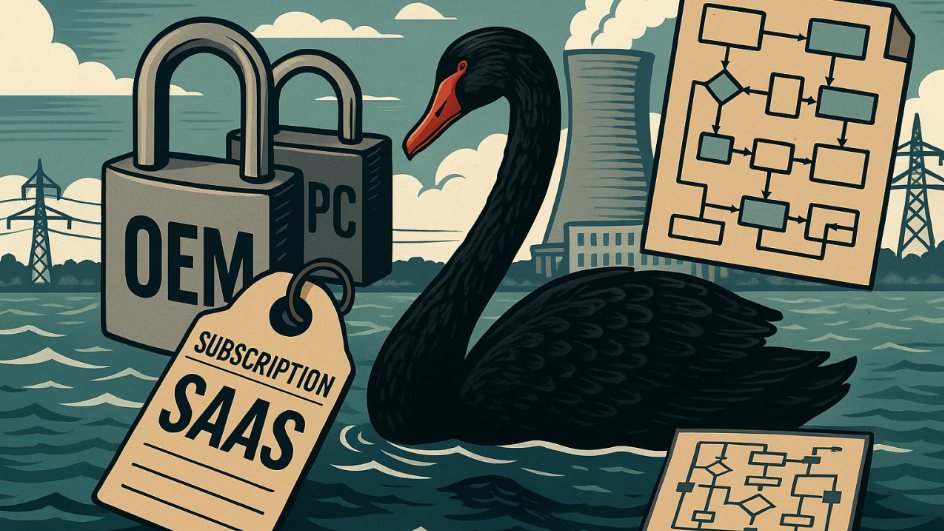
When Maintenance Feels Like Ransom
Imagine this: you buy a car, and five years later the manufacturer sends you a letter saying, “We’ve changed the deal—if you want to keep the radio or turn the steering wheel, you now need to pay...
What is a data diode?
Two magic words that explain nothing—so let’s start with a simple thought experiment.
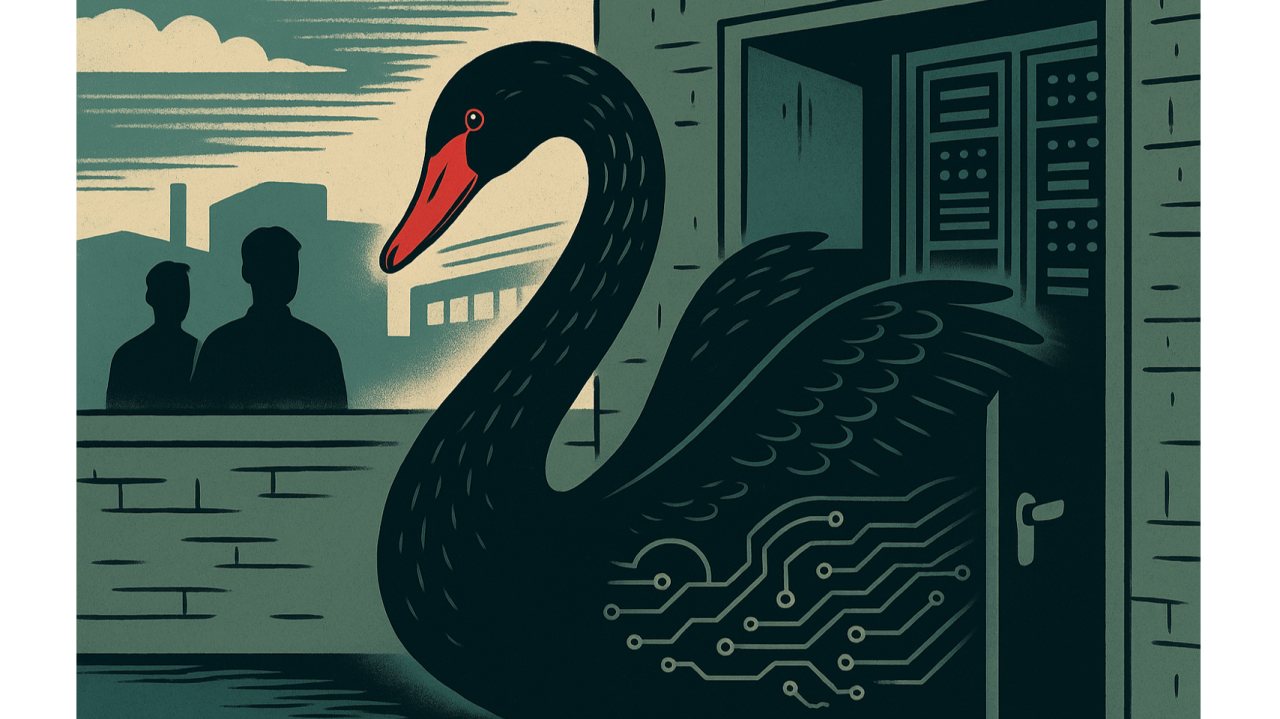
Why Older Hardware Is Often More Secure: The Case for Time-Proven Systems and Isolation
Every new patch, every new hardware revision, every upgrade is not just a fix—it’s a new black swan.
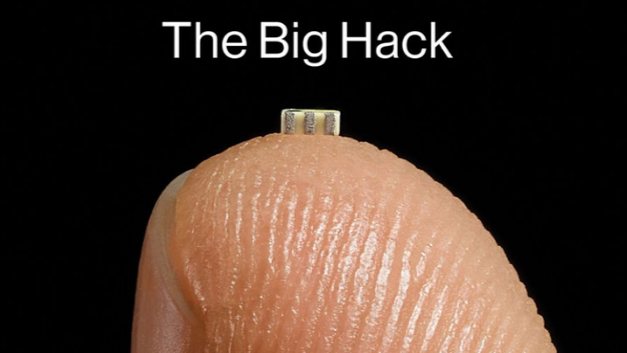
Supply chain attack
A supply chain attack is an attack that targets an organization by compromising a trusted third-party vendor, partner, or supplier in the supply chain. Rather than attacking an organization...

Context Is Everything – From AI Agents to Power Plants
That sentence struck me because it applies far beyond AI agents. It is just as true in industrial operations.
We Can’t Detect What We Don’t Know — But We Can Isolate
At 2 AM, the control room is quiet. Screens glow faintly. The plant hums along.

.AI Bubble: When the Hype Fails, Will Your Plant Still Be Online?
Remember the .com boom? The big promises? The websites that would “change everything”? Most of them crashed. Not because the internet was a bad idea — but because too many businesses forgot the...
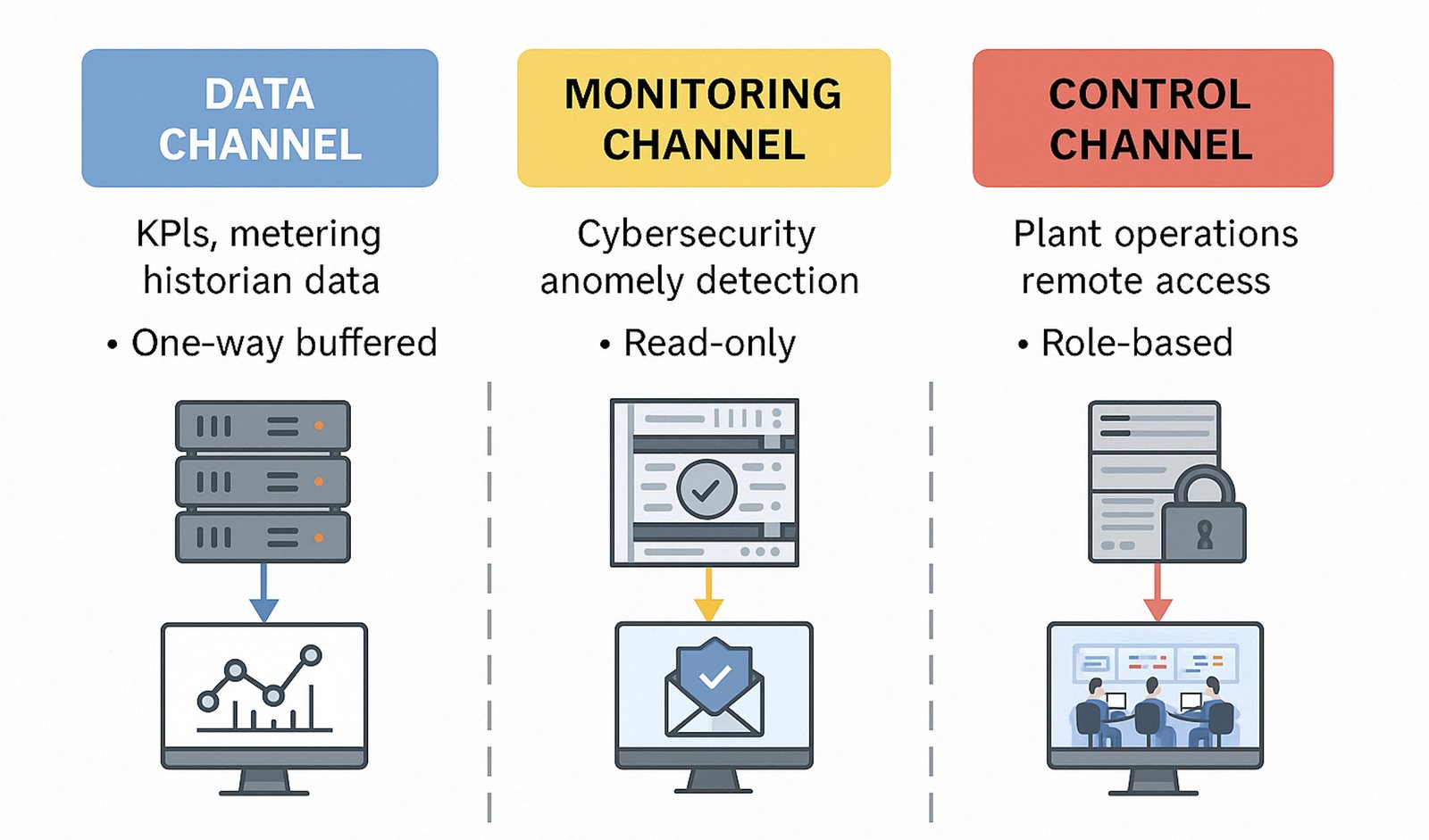
Goodbye layers. Hello channels
Most industrial sites aren’t building from scratch. They’re fighting to keep obsolete systems alive—and trying to make them secure, cloud-ready, and compliant at the same time.

A $5 Cable. 12,000 Controllers. One Black Swan.
Just imagine: At one of the largest solar power plants in the Gulf, over 12,000 Siemens S7-1200 controllers — popular, cheap, and critically vulnerable — were deployed across dozens of systems.
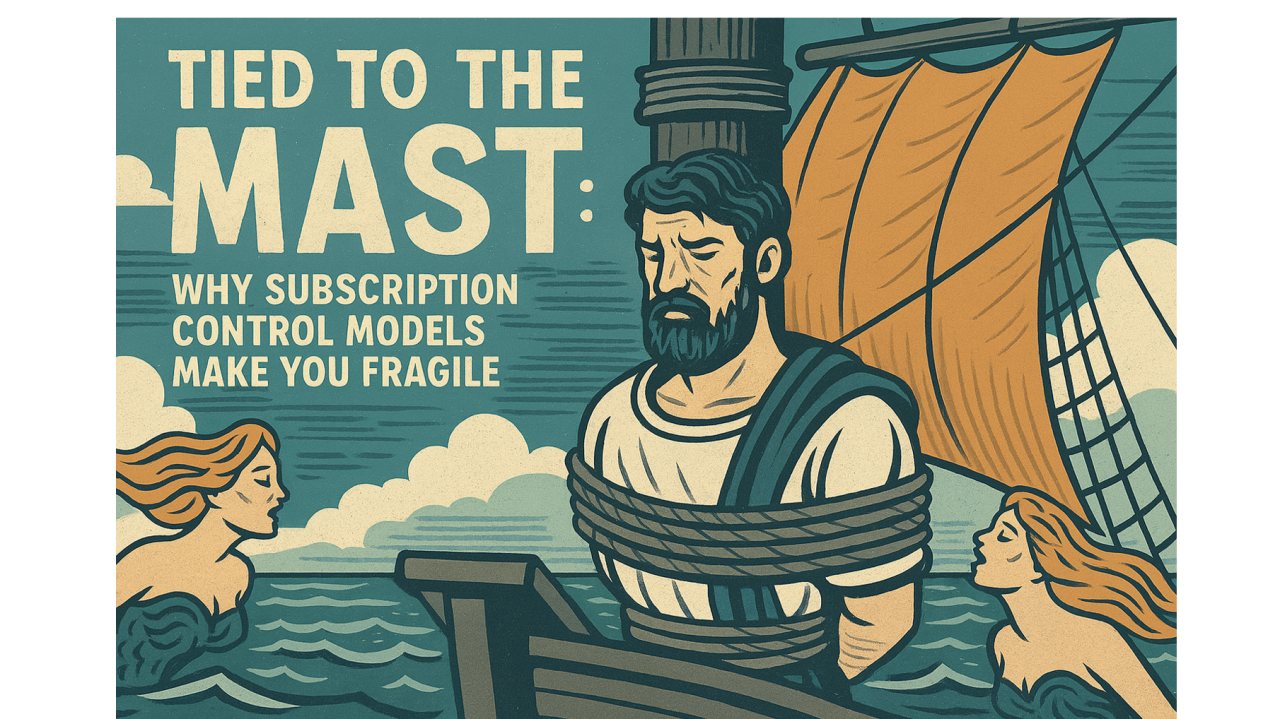
Tied to the Mast: Why Subscription Control Models Make You Fragile
Odysseus had himself tied to the mast to resist the Sirens. Industrial plant operators today? They're being sold the Sirens as a service.
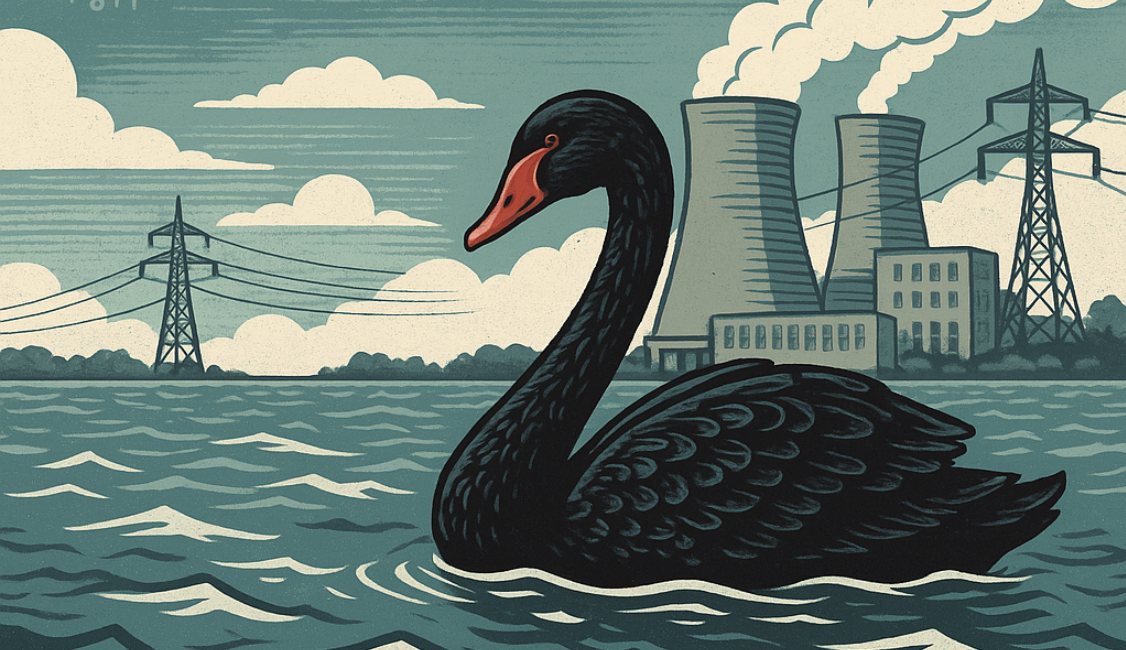
The Next Black Swan Won’t Be on Anyone’s Checklist
Why Trust, Context, and Meaning Form the Cornerstone of Resilient Operations
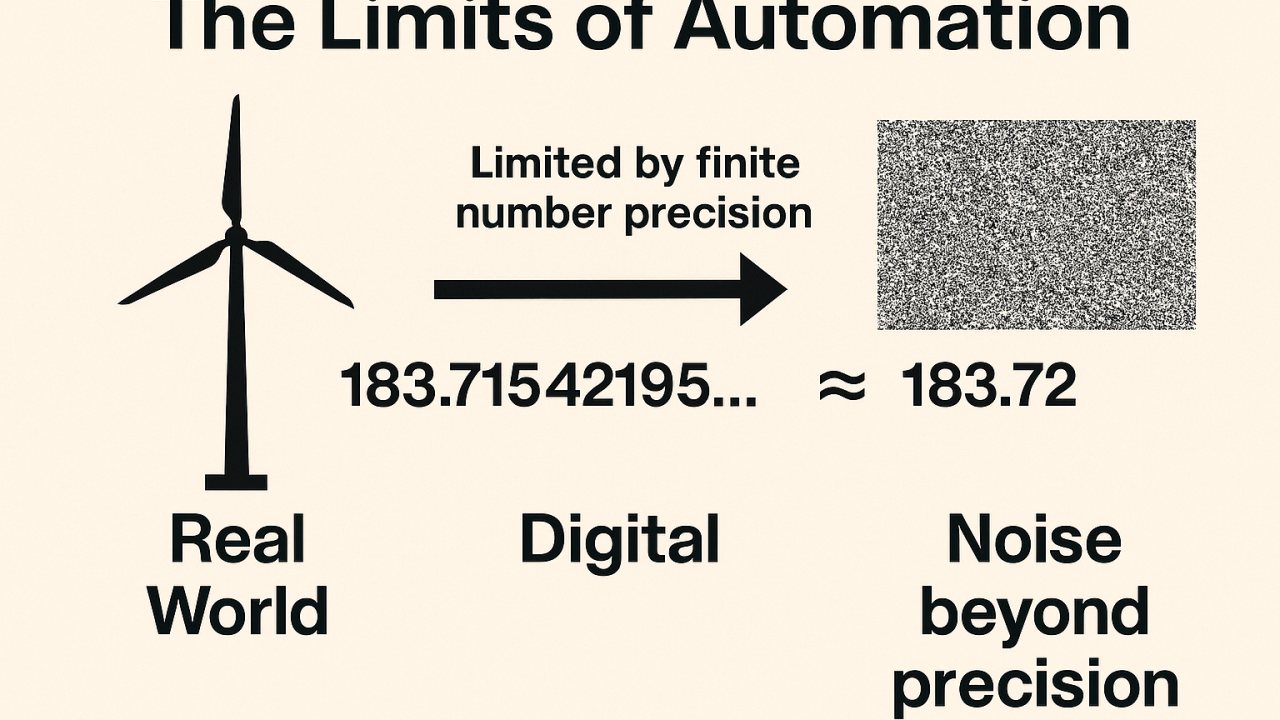
The Hidden Limits of Automation: When the Numbers Lie
Everyone in automation trusts the numbers. Until the numbers stop making sense.
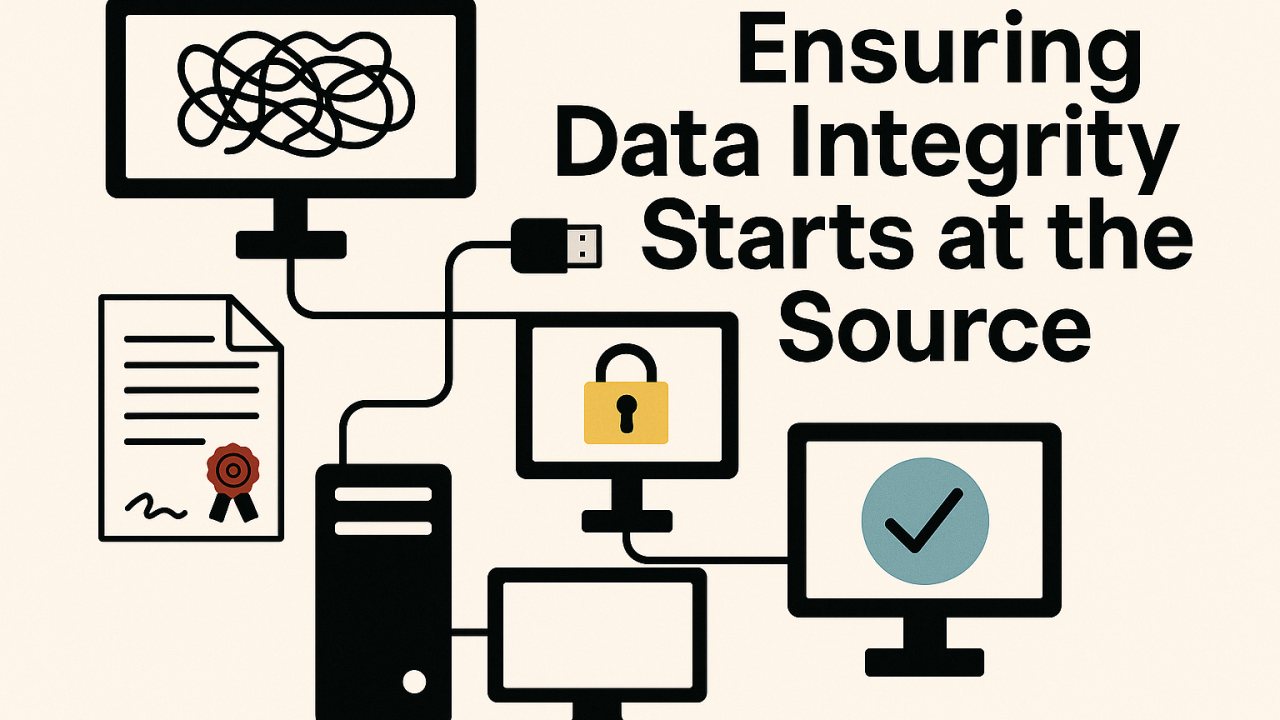
Notarizing Garbage Won’t Make It Secure
Why Data Integrity Starts at the Source — and What the Edge Needs to Do About It
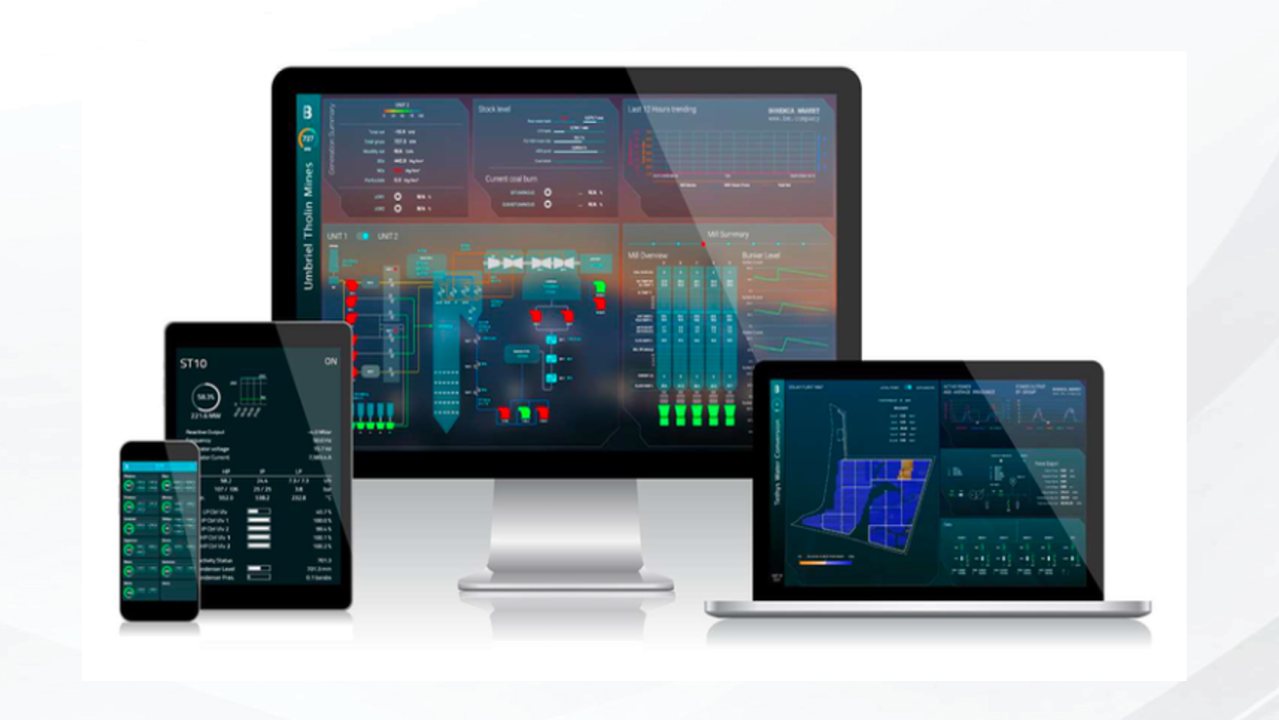
Why Intelligent Edge Matters — And Why So Many AI Platforms Fail Before They Start
Everyone is building centralized platforms — AI-powered dashboards, command centers, “single sources of truth.”
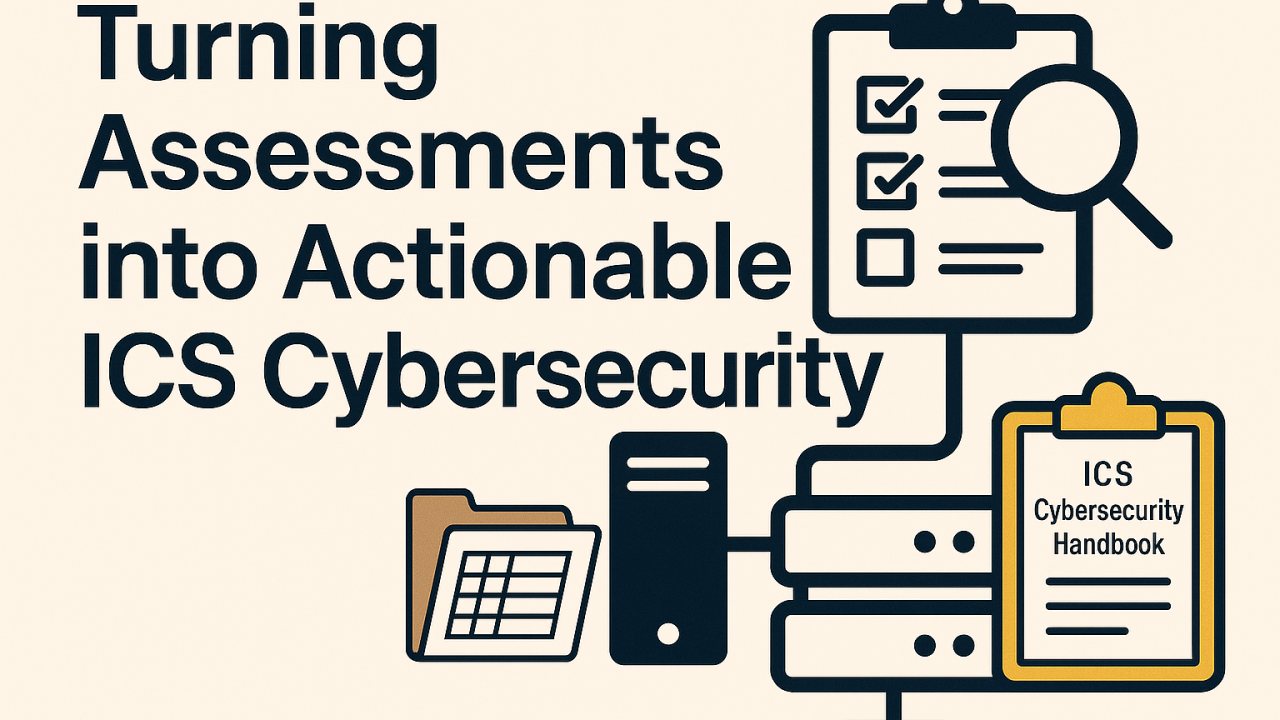
Forget the Firewall Fantasy: Real ICS Security Starts Inside the Plant
What Matters, What Breaks, and How to Actually Secure a Power Plant
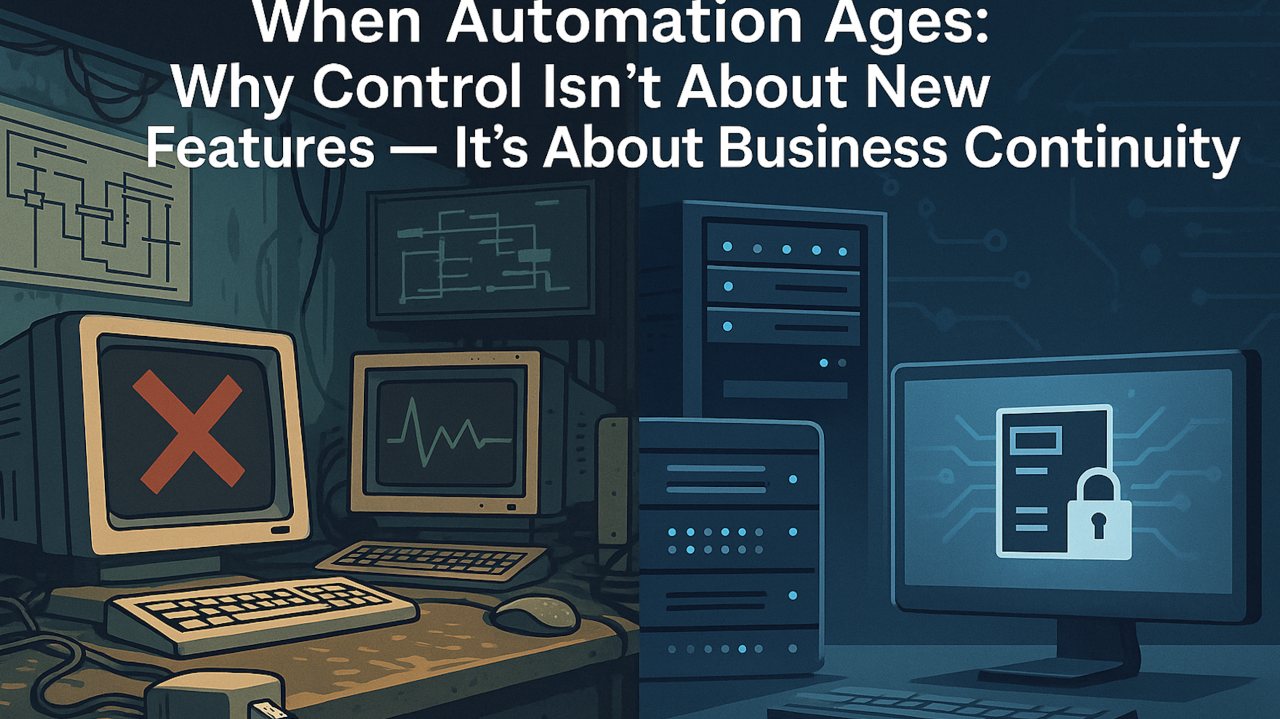
When Automation Ages: Why Control Isn’t About New Features — It’s About Business Continuity
Not every project is about AI. Not every client wants predictive analytics, dashboards, or cloud APIs. Sometimes, the mission is simpler — and far more critical: Don’t lose the logic that makes...
Goodbye Layers, Welcome Channels: Why Logics and Functional Diagrams Must Be Treated as Real Assets
Let me share two real-world stories with you. They reveal the very risks we face when control logics, configurations, and software environments are treated as afterthoughts — instead of core...

What Five Offers and 180 Days Taught Us About Modern Procurement
Over the past six months, the team at Bohemia Market CZ dedicated significant effort and resources to participate in a major RFQ process for an Argus system delivery. The process was approached...
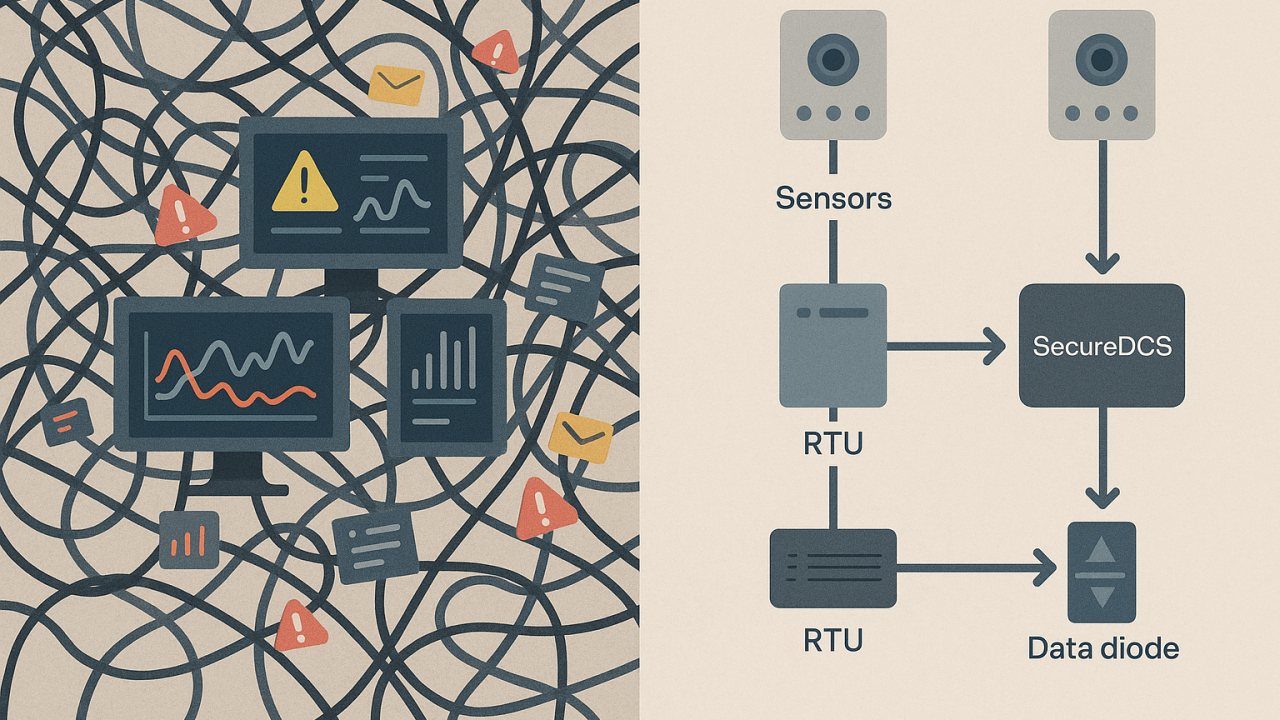
Welcome in 2025 - The Blackout Wasn't Random. It Was Designed That Way.
Let’s start with what we all agree on: we’re collecting more data than ever. Terabytes pour out of sensors, smart devices, meters, control rooms. Dashboards are everywhere. Alerts flood inboxes....
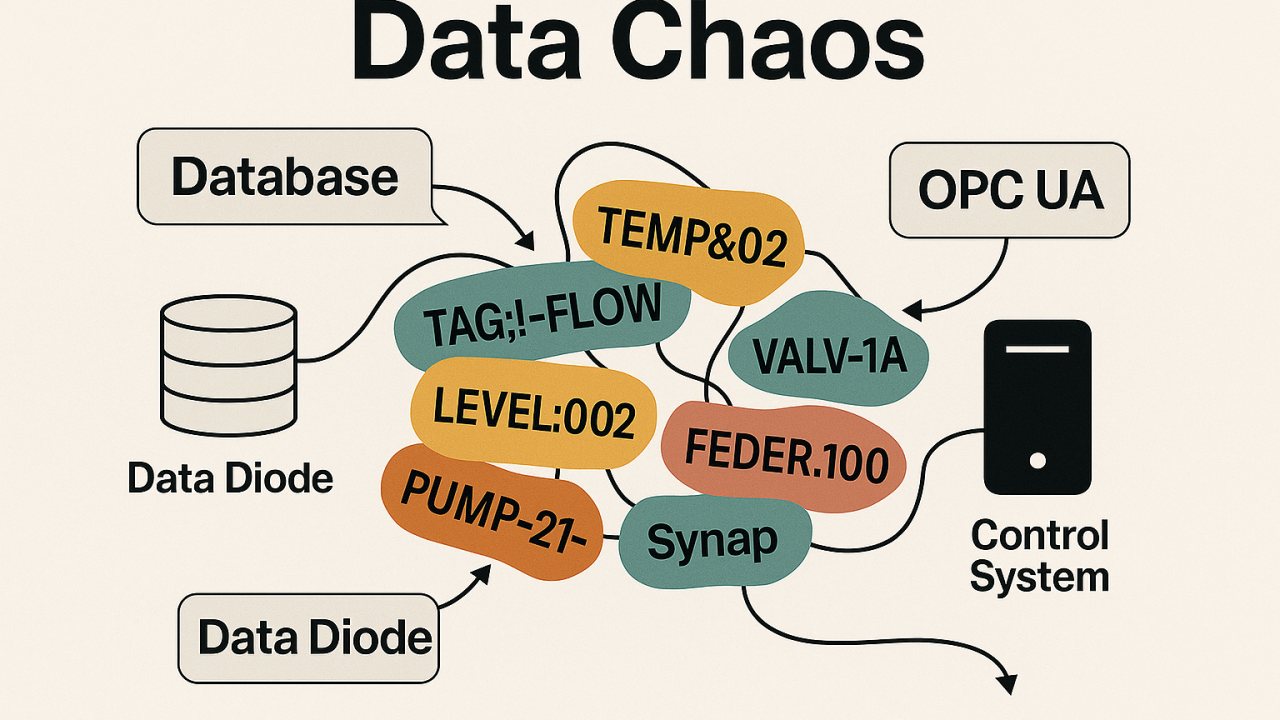
When 6 Vendors and 1 EPC Collide – and Operators Lose Millions
This article continues our Beyond Purdue series, where we said goodbye to outdated layers and introduced the Three-Channel Model. Now, let's take a closer look — starting with a story you might...
The 3-Channel Architecture That Replaces Purdue
The Purdue Model gave us a structure to separate OT from IT. But that separation no longer works—at least not the way it was intended.
Purdue Was Great — 30 Years Ago. It’s Time to Move On
If you’ve worked in industrial control systems anytime in the last 30 years, you’ve heard of the Purdue Model.
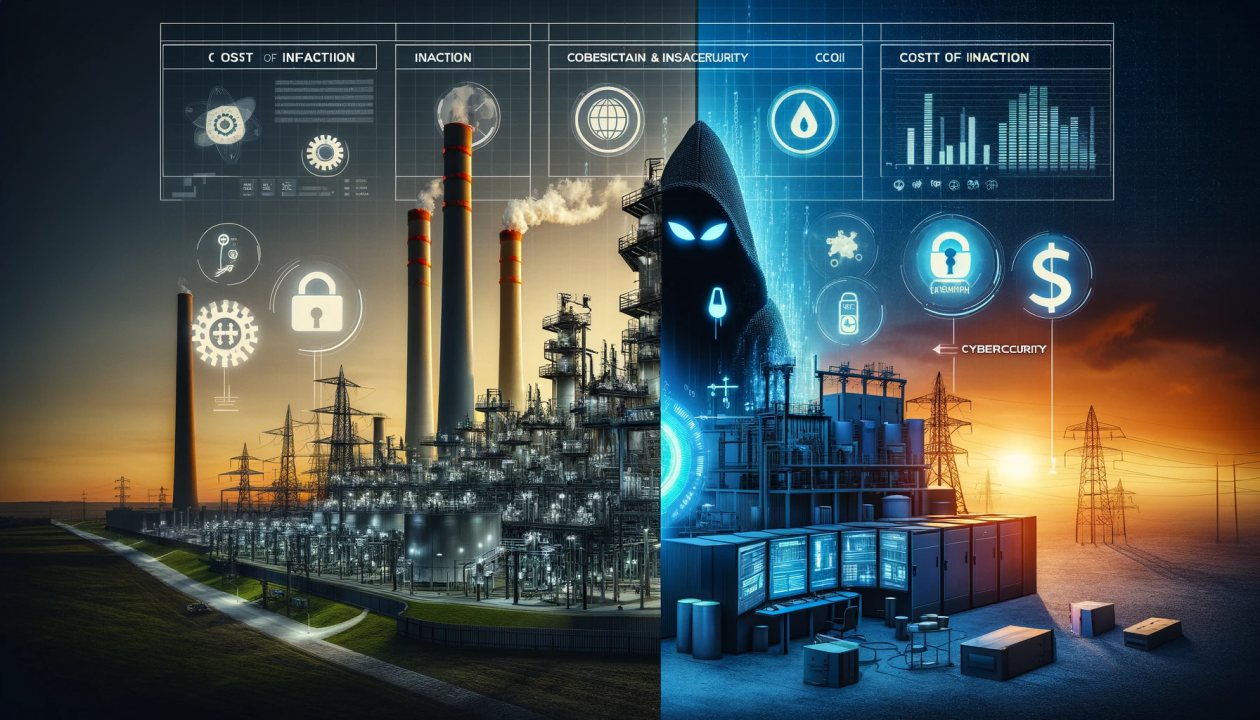
Why Cybersecurity Inaction Costs More Than You Think.
In the realm of operational technology (OT), particularly within power plants and critical infrastructure, it is imperative to have robust cybersecurity measures. Traditional financial metrics...