Beyond Purdue No. 024 / Legacy systems, Cybersecurity
Why Older Hardware Is Often More Secure: The Case for Time-Proven Systems and Isolation
Every new patch, every new hardware revision, every upgrade is not just a fix—it’s a new black swan.
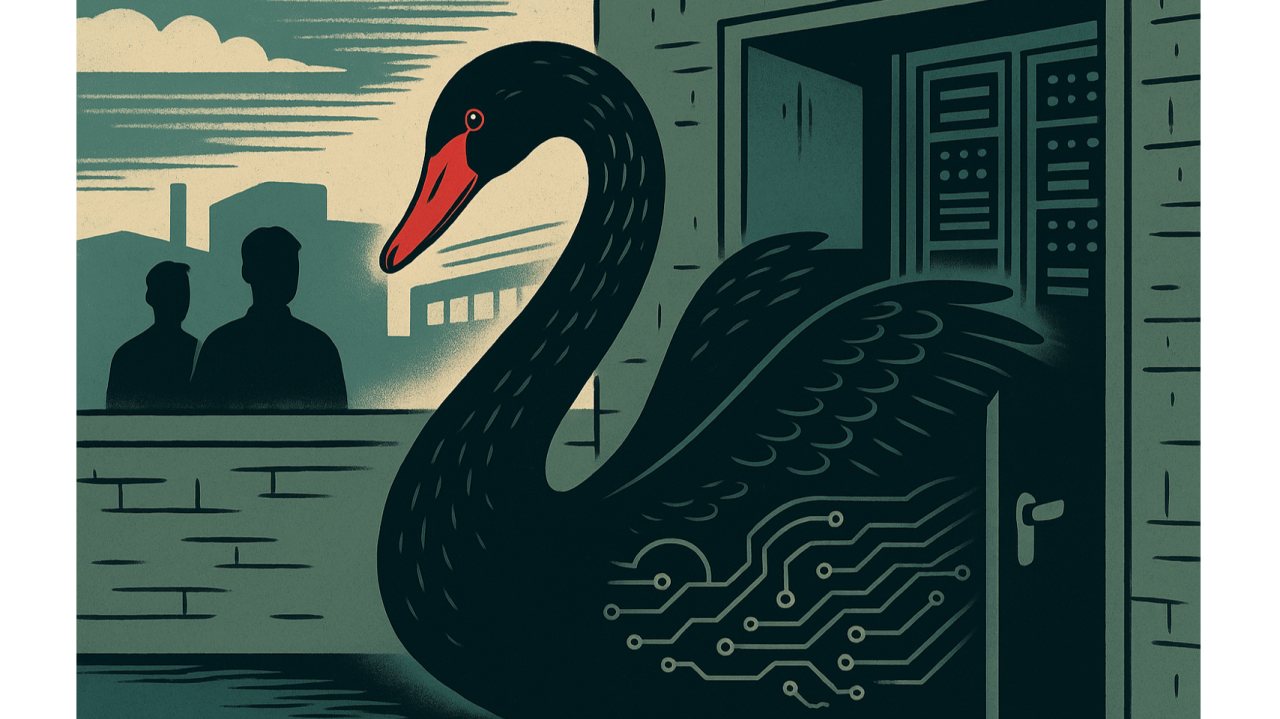
Every new patch, every new hardware revision, every upgrade is not just a fix—it’s a new black swan.
In cybersecurity, the usual mantra is patch, upgrade, replace. Each new release is presented as the cure to the last vulnerability. But reality in industrial control systems (ICS) tells a different story.
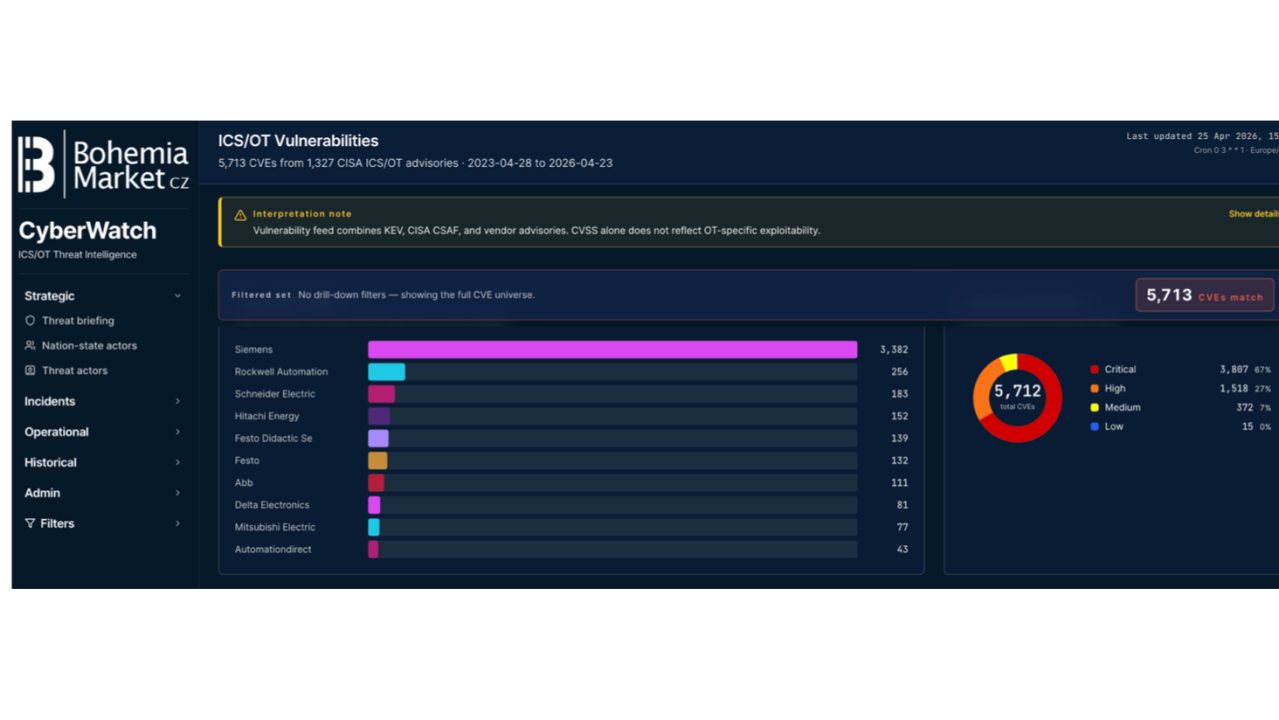
Every new patch, every new hardware revision, every upgrade is not just a fix—it’s a new black swan. It introduces unknown vulnerabilities, incompatibilities, and side effects. The supply chain itself is becoming the most dangerous front door for attackers.
The paradox
- Newer is not always safer.
- Proven hardware, though “old,” often provides a more stable and predictable foundation.
Time-Proven Systems Outperform the “Latest Update”
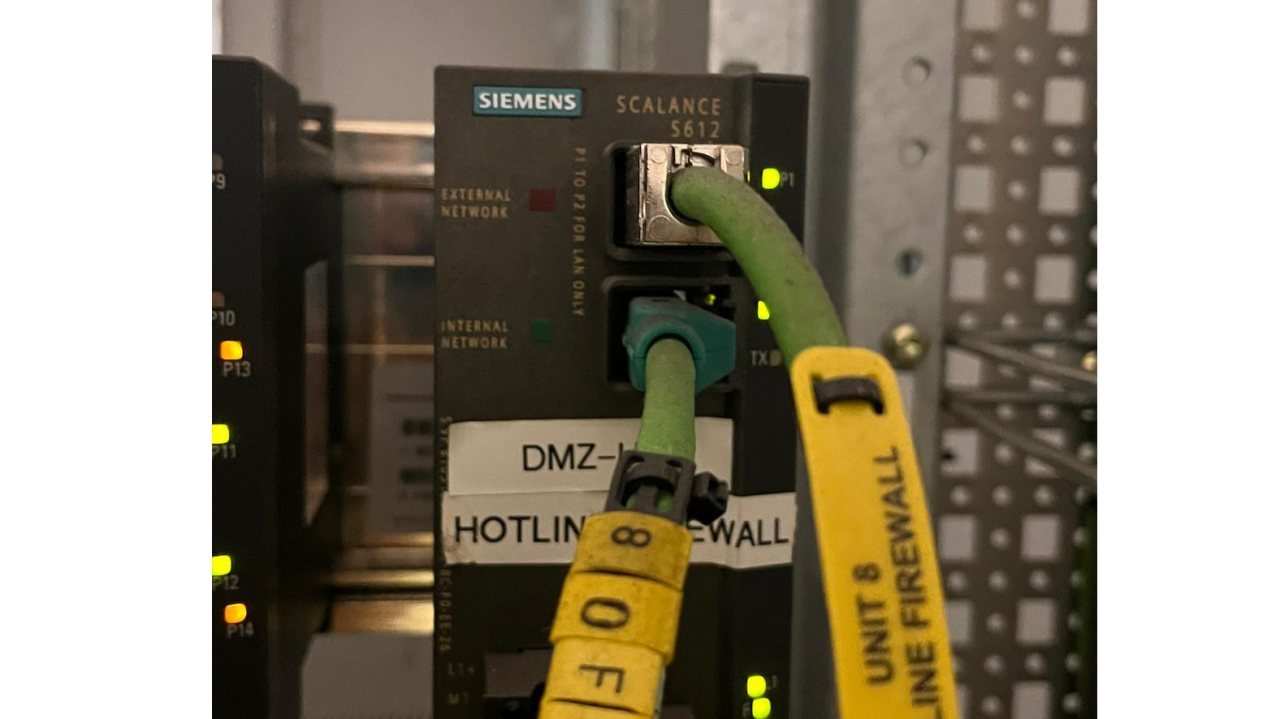
Think about it: the control systems that run power stations, refineries, and grids have been tested under real conditions for decades. Failures, firmware quirks, and logic gaps are known, documented, and managed. Operators trust them not because they are flawless, but because their flaws are already understood.
Failures, firmware quirks, and logic gaps are known, documented, and managed.
Contrast this with brand-new devices: fresh code, new interfaces, new dependencies. They arrive untested in the field, and their vulnerabilities often surface only after deployment—sometimes discovered by attackers first.
Recommended by LinkedIn
Isolation Is the Key
This is where our philosophy comes in. Instead of endlessly chasing updates, we focus on:
- Keeping what is stable and tested.
- Protecting it with one-way data transfer (data diodes).
- Modernizing only where it creates real business value.
By isolating proven hardware with secure data transfer, plants achieve both resilience and cybersecurity. Critical data flows out for monitoring, billing, or analytics, but no path exists for threats to flow in.
Cybersecurity Is About Continuity, Not Upgrades
We’ve seen this approach work across power stations and refineries worldwide. Business continuity depends not on having the latest patch, but on ensuring that critical systems stay online, predictable, and uncompromised.
In other words:
- Time-proven hardware + strong isolation beats endless cycles of “patch and pray.”
- Stability is the new innovation.
In an age where every update is a potential new black swan, sometimes the most modern approach is to trust what has already stood the test of time—and protect it properly.