Beyond Purdue No. 056 / People
One question beats 200 pages
I stood in front of 64 engineers and managers at one of the largest power utilities in Africa.
I stood in front of 64 engineers and managers at one of the largest power utilities in Africa.
I asked one question.
"If something breaks, do you know how to fix it?"
The room went silent. Not the polite, waiting-for-the-next-slide kind of silence. The uncomfortable kind. The kind that tells you the honest answer is no. Or at least: not entirely.
That one question did more than any consultant report I have seen in this industry.
Here is the pattern I see before I walk into a meeting like that.
A utility has a real problem. Obsolete hardware. Known vulnerabilities. A compliance gap that keeps someone awake at night. They do the right thing. They call a big IT consulting firm. The firm sends a team, runs an assessment, and delivers a report. Sometimes 200 pages. Sometimes more.
The report says: upgrade everything.
The client looks at the cost. They look at the downtime that upgrade would require. They freeze. Nothing gets approved. Nothing gets done. The report goes on a shelf.
The problem does not go away. It gets bigger.
What makes this pattern dangerous is that the client feels like they acted. They spent money. They got a report. The box is checked. But the vulnerability is still there. The asset is still ageing. The risk is still growing.
That is worse than doing nothing at all.
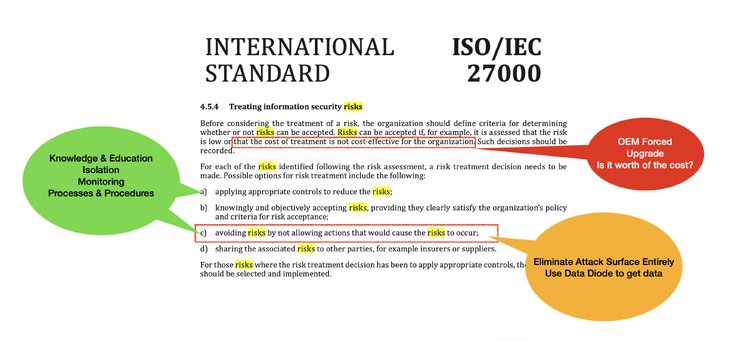
We do not tell clients to replace everything. We extend the life of what they have. We install without outages. We protect operational continuity throughout the whole process. The cost is a fraction of what an OEM replacement would be.
Recommended by LinkedIn
That is the practical answer. But the starting point is always a conversation.
After that opening question in Africa, I asked four more.
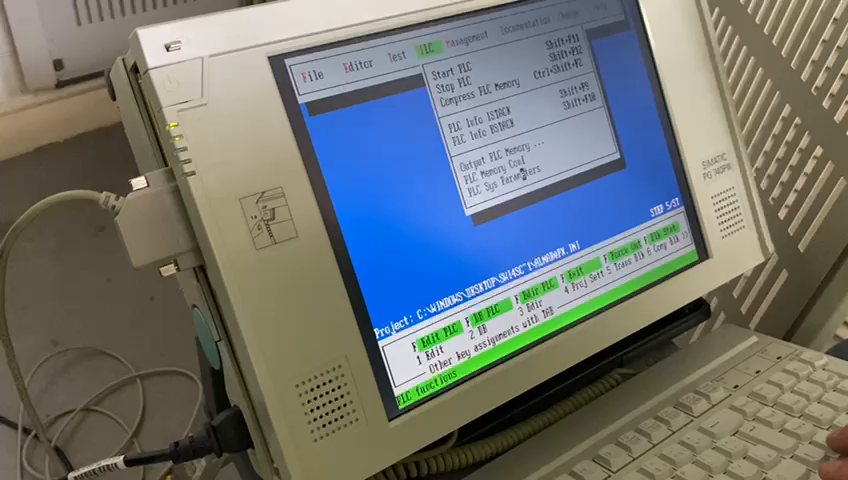
- Do you know what assets you have installed?
- Do you have documented processes and procedures for fixing errors?
- Do you test those processes?
- Do you have the right spare parts available?
Those four questions are not random. Each one maps to a real gap I have seen in control system operations across multiple continents. Asset visibility. Process documentation. Testing and validation. Spare parts readiness.
Every answer a client gives tells me something. What they know. What they assume they know. What nobody has ever written down. What gets handled by institutional memory that walks out the door when a senior engineer retires.
The client does the diagnosis themselves. I just ask the questions.
There was no hard sell in that room. No proposal, no pricing deck, no closing technique.
What happened instead was something I find more valuable than any signed contract in the first meeting.
One of the senior managers looked at me and said: "For the first time we understand what the problem is, and what needs to be done."
That is the moment Bohemia Market wins a client. Not with a presentation. With clarity.
When a client finally sees their own situation clearly, the path forward becomes obvious. The questions they need answered are real. The conversations become productive. The decisions get made.
That is what we do. We help control system operators see what is actually there, fix what needs fixing, and keep their systems running safely and reliably. Without unnecessary cost. Without stopping production.
If you want to know how you can do that for your control systems, message me and get on a call with me (no obligations on your part).