Beyond Purdue No. 069 / Data diodes
The diode is the enabler. The solution is what you buy.
A data diode only sets the direction. The computers, software and engineering around it make the data useful, and that is why a diode and a solution are priced differently.
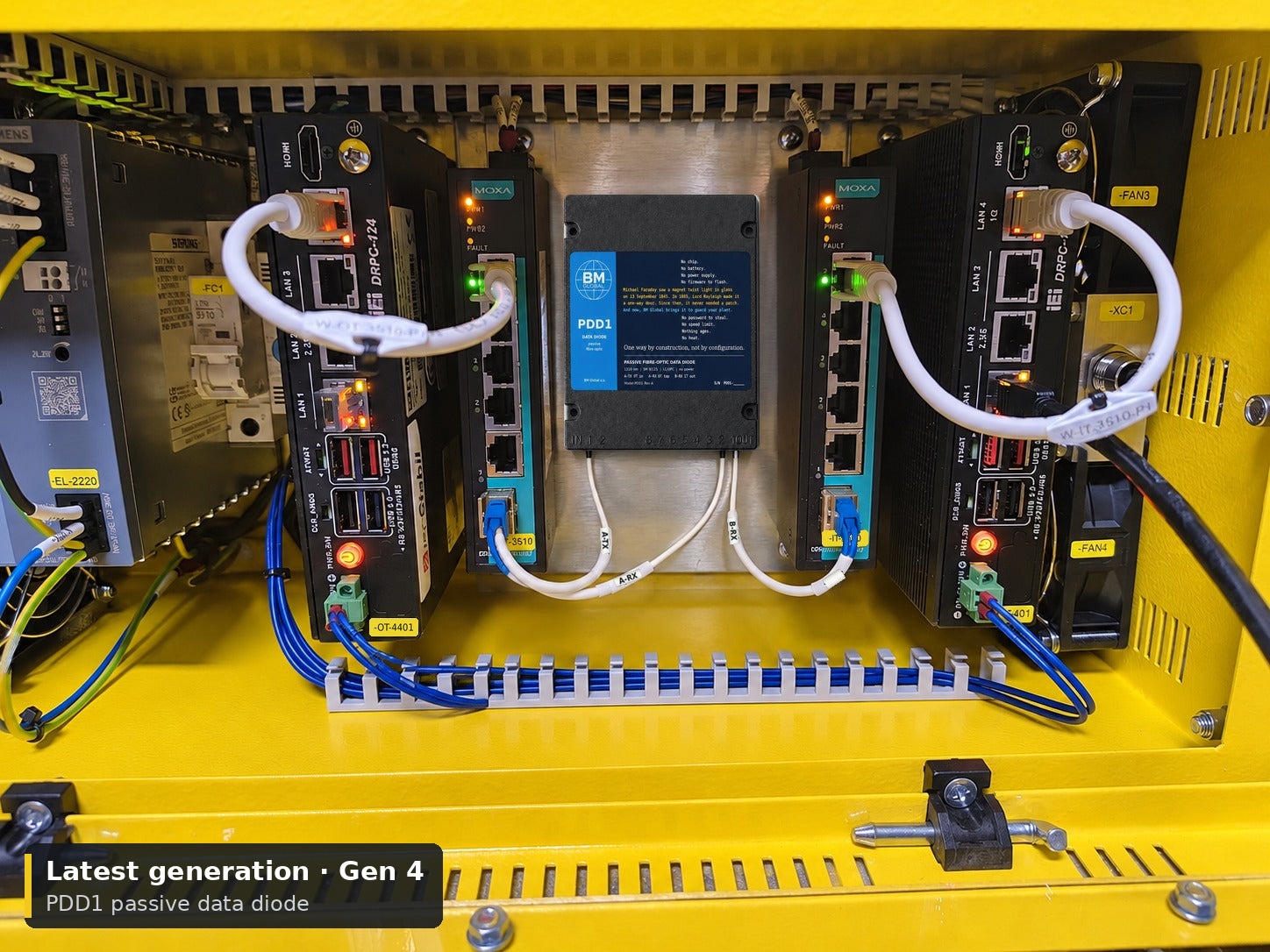
A data diode does one thing. It lets light travel from the plant to the outside and gives it no way back. That one thing is the reason the whole arrangement is trusted. It is not, on its own, a way to get useful data out of a plant.
This article explains the difference between a diode and a solution, where the RTU fits, why the Yellow Box has two computers in it, and why each carries a different price.
What the diode does
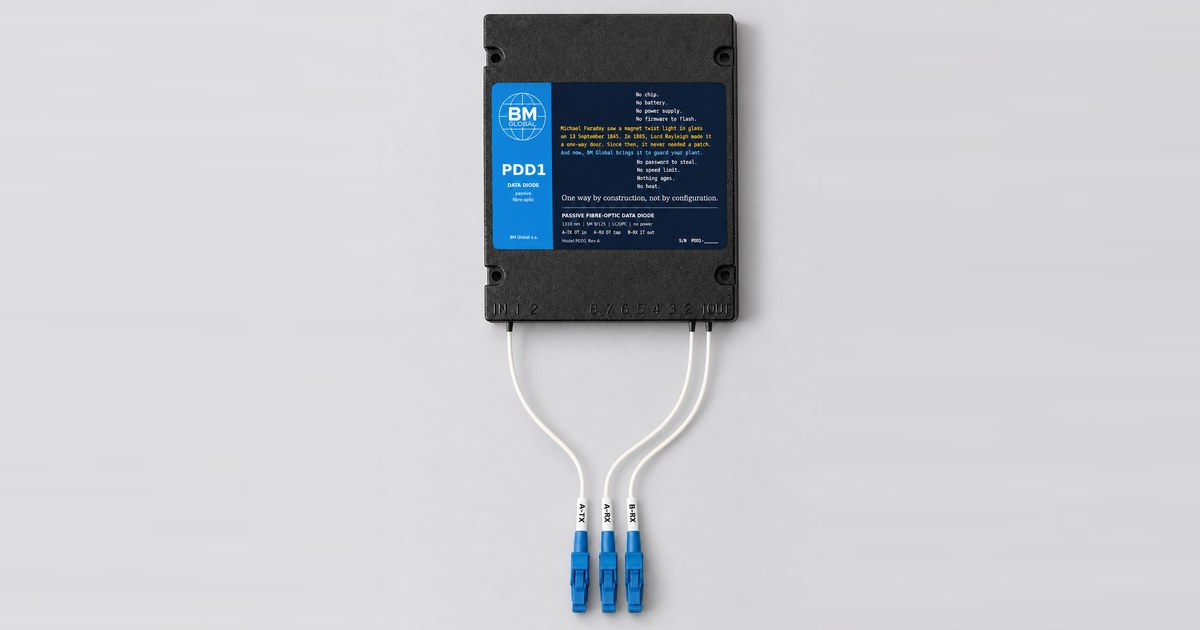
The PDD1 is passive. No chip, no battery, no power supply, no firmware. An optical isolator inside it passes light in one direction only. The glass and the fibre are ordinary; it is the isolator that makes the path one-way.
NIST describes a data diode as a device that allows data to travel only in one direction (NIST glossary). The UK NCSC is more direct about its limits: a diode solely ensures data directionality (NCSC, secure connectivity for OT).
Direction is the guarantee. Everything else has to be built around it.
Why direction alone is not enough
Plant protocols expect a conversation. Modbus asks and waits for an answer. OPC asks and waits. TCP, underneath almost everything, sends an acknowledgement for every packet. A one-way path carries none of those answers back.
Connect a historian on one side and a client on the other with only a diode in between, and nothing arrives. NATO's evaluation of a certified data diode says it plainly: TCP acknowledgements cannot pass, so proxy servers are needed on both sides (NATO IA, Fox data diode). NIST SP 800-82 treats unidirectional gateways as a combination of hardware and software for the same reason (NIST SP 800-82r2).
That is why there are two computers.
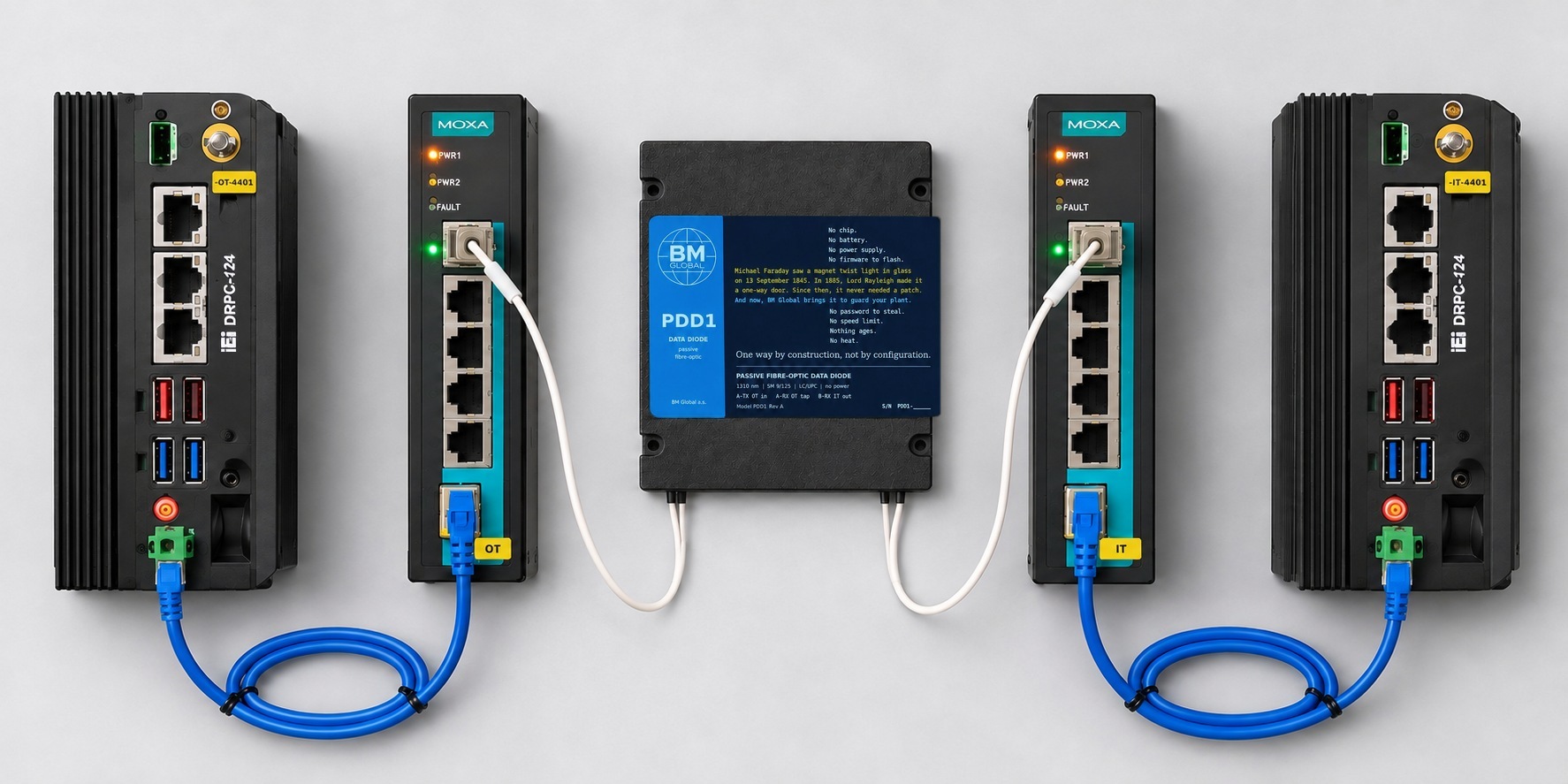
Two computers, one direction
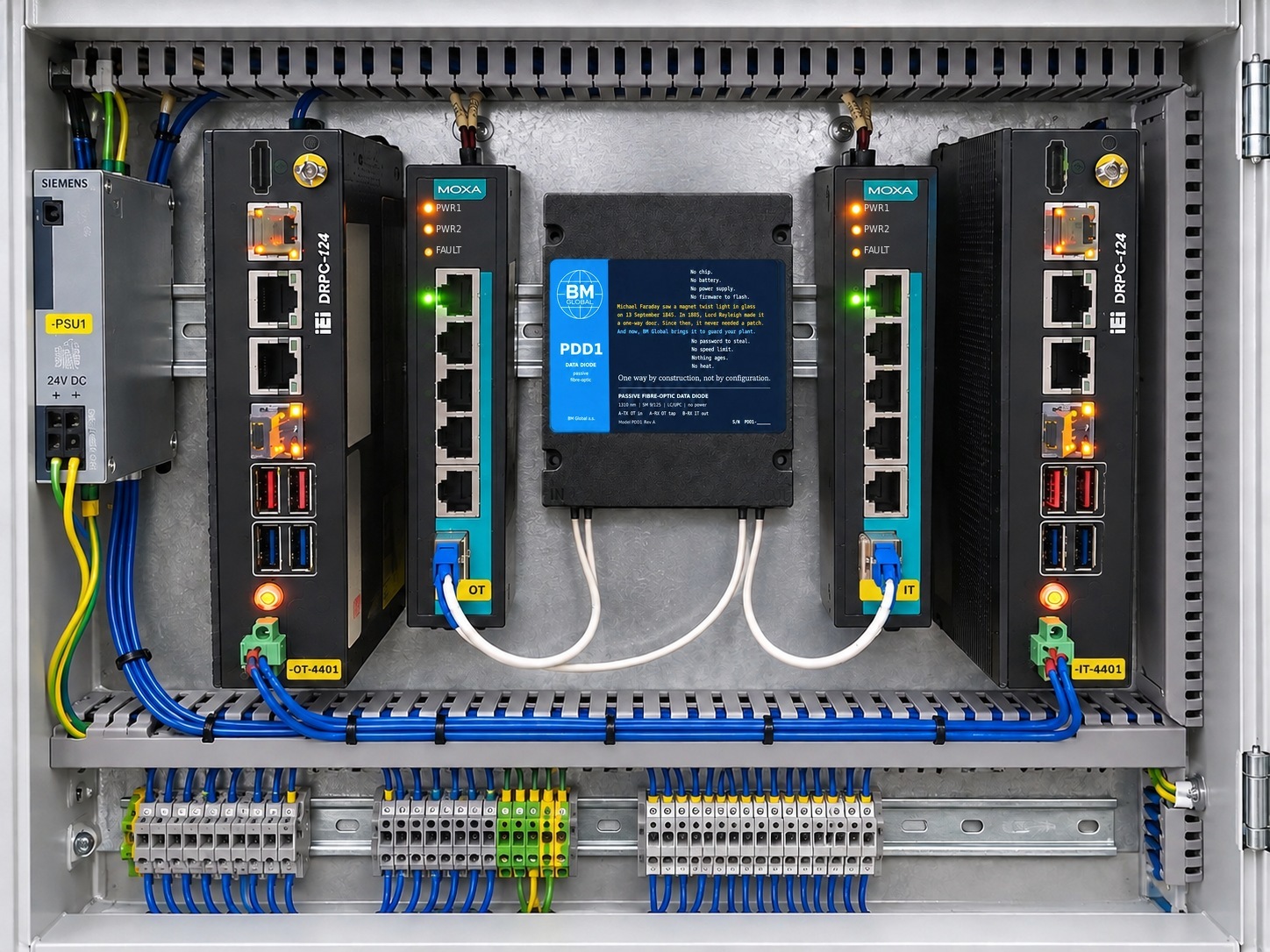
The OT computer sits inside the plant. It speaks the plant's language: Modbus, OPC, IEC 104, files from a historian or a billing meter. It holds every conversation locally, so the plant systems get the answers they expect. Then it packs the data and sends it into the diode, with checks and repeats so a lost frame is noticed and covered.
The PDD1 carries the light one way, and only one way.
The IT computer receives, checks, and rebuilds what was sent. It serves the result as files, OPC UA, a database or a dashboard. People and systems outside read from it. Nothing they do reaches the plant.
The NCSC calls this a protocol break: the conversation on one side is ended and a new one is started on the other (NCSC, safely exporting data; NCSC, safely importing data). The diode makes that break physical.
The smallest solution: an RTU
Not every site is a power station. A substation, a solar or wind farm, a pumping station or a set of billing meters needs fewer signals and a smaller box.
BeyPur One is a remote terminal unit (RTU) with the data diode built in. It is the plant-side computer, made small. It speaks the field protocols directly: IEC 61850 with MMS and GOOSE, IEC 60870-5-101, -103 and -104, DNP3, Modbus TCP and RTU, DLMS, OPC UA and SNMP. It can measure voltage, current, temperature and pulses itself, and calculate active, reactive and apparent power and cos phi. On the far side it presents everything as OPC UA, with a historian and visualisation included.
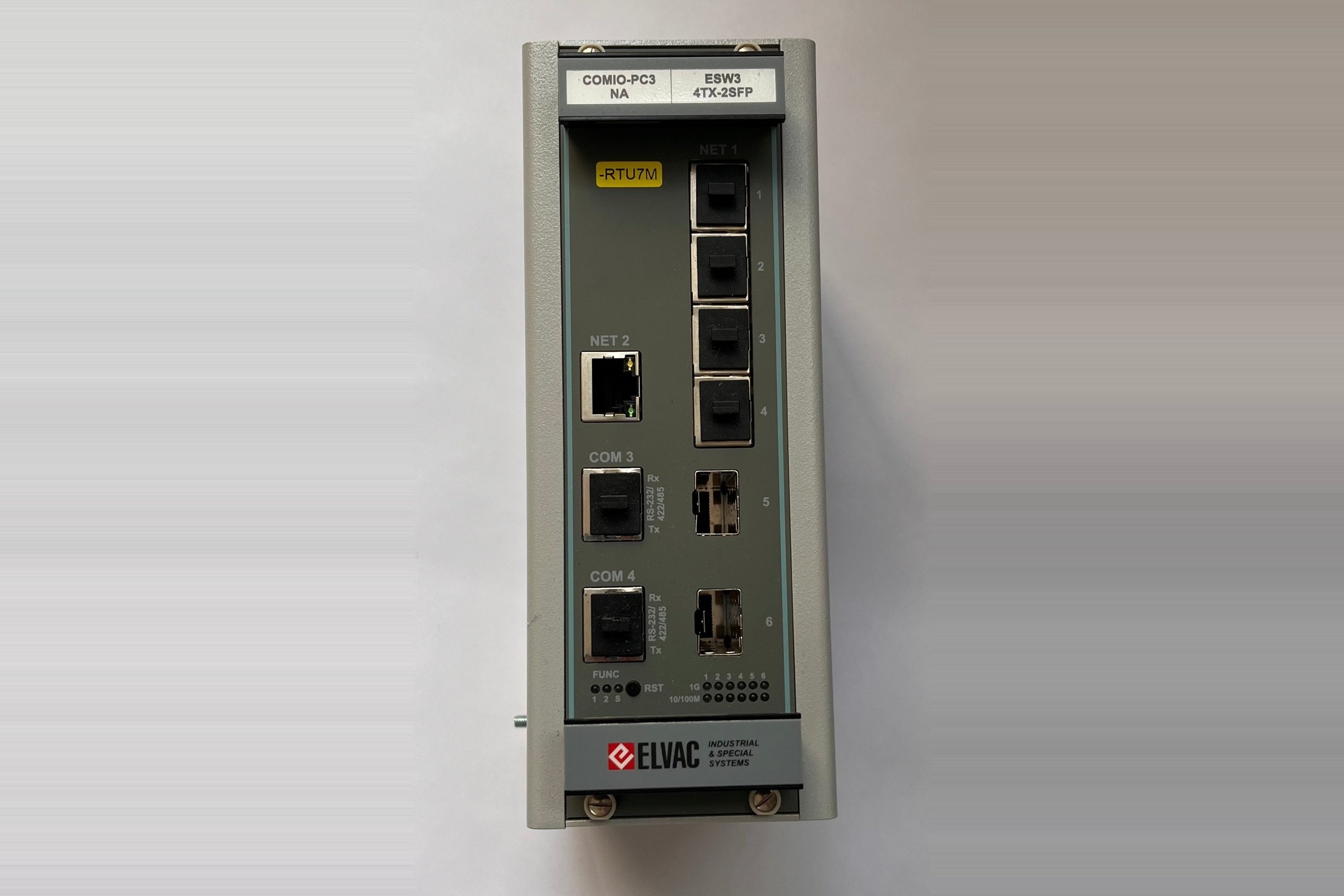
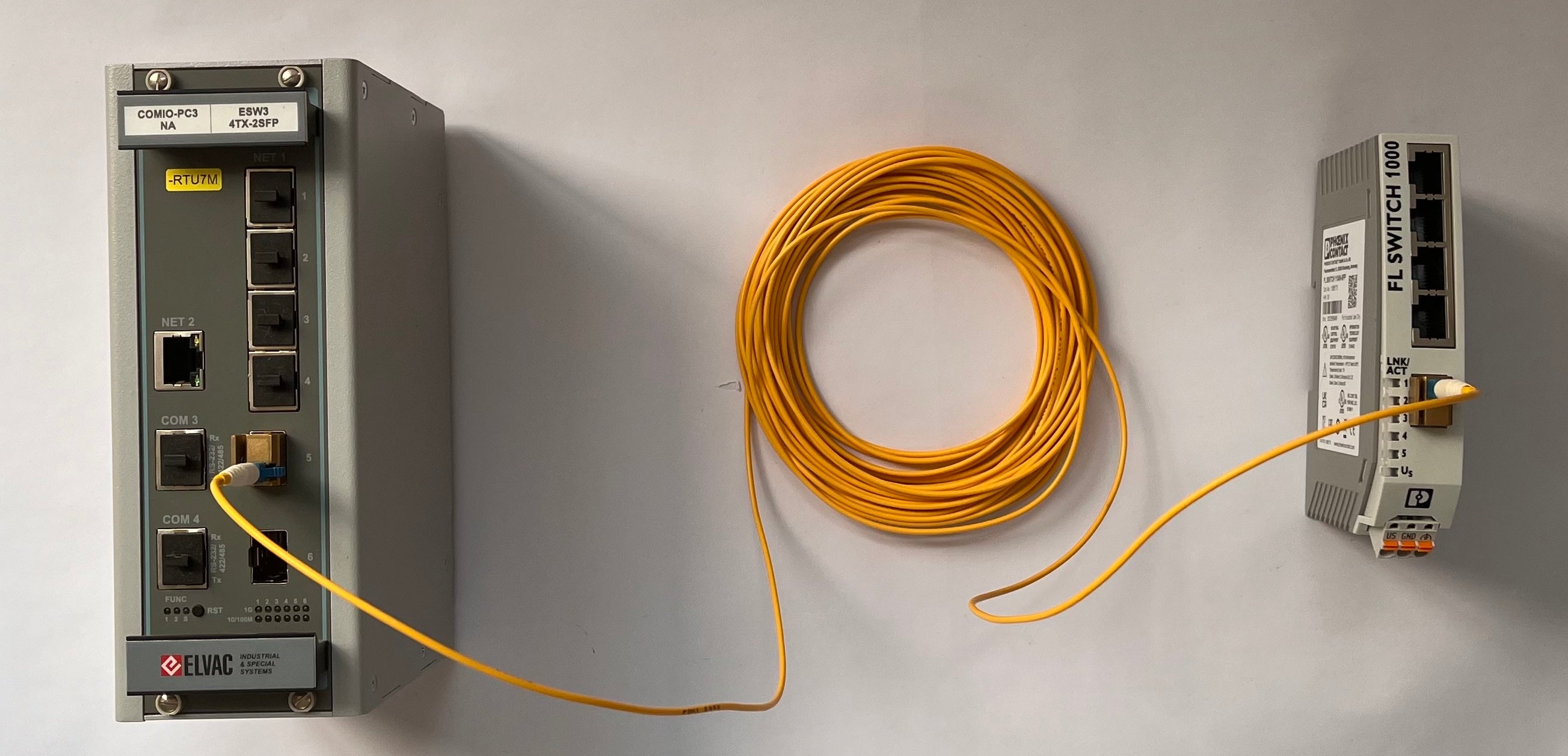
Same principle as the Yellow Box, at the scale of a single site.
What else is in the solution
Hardware is the visible part. The work is in the rest.
- Signal lists agreed with the plant, mapped tag by tag.
- Protocol configuration on the OT side, read-only by design.
- Transfer software with sequence numbers, checks and repeats.
- Rebuilding on the IT side: files, OPC UA, databases, dashboards.
- Time synchronisation, so records line up on both sides.
- Factory testing in the Yellow Box before it ships.
- Installation, commissioning and site acceptance.
- Documentation the plant's own staff can follow.
Protection and control stay where they are, hardwired and untouched. The solution only reads. Nothing in it is allowed to act on the plant.
Three things, three prices
- Passive data diode. The component that makes the path one-way. For integrators who already have computers, software and engineering.
- RTU with built-in diode. Field protocols, OPC UA and a historian in one small unit. For substations, solar and wind, pumping stations and meters.
- Complete solution. Sender and receiver computers, switches, the diode, power and software, fitted, wired and tested. For power stations and plants with a control system to read.
The one-way hardware is in all three. The price follows what is built around it. When two offers for "a data diode" differ by a large amount, one of them is usually a component and the other a solution.
Where it already runs
The same arrangement carries data out of power stations on three continents: eleven stations read from one monitoring room, billing files delivered every six minutes, solar fleets mapped live. A typical installation takes five days on site.
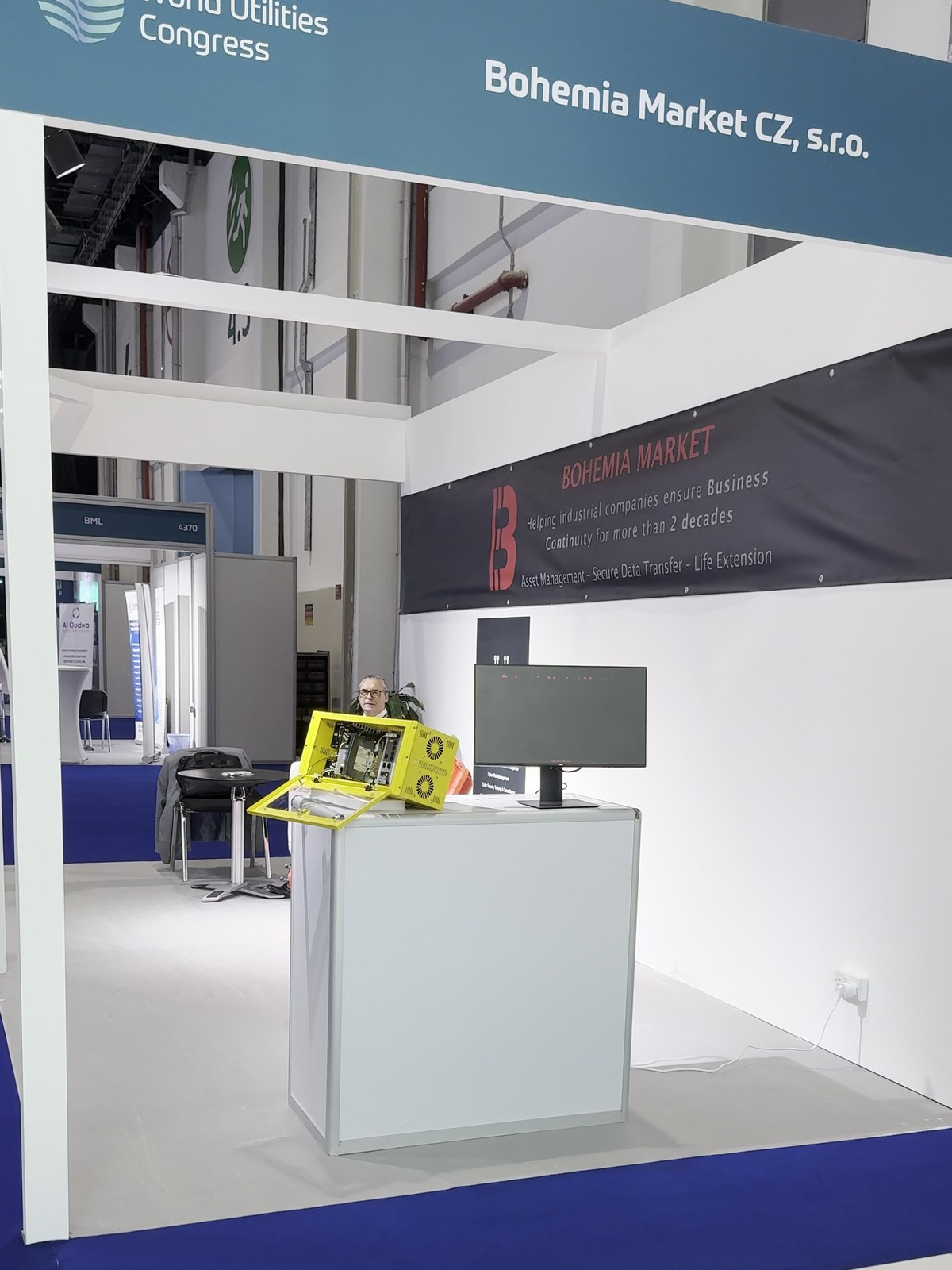
The diode makes it one-way. The solution makes it useful.