Beyond Purdue No. 021 / Data diodes, Video
We Can’t Detect What We Don’t Know — But We Can Isolate
At 2 AM, the control room is quiet. Screens glow faintly. The plant hums along.
At 2 AM, the control room is quiet. Screens glow faintly. The plant hums along.
And then it happens: not a cyberattack you can see, not a hacker rushing your firewalls, but something far more subtle.
A firmware update. From a trusted vendor. Signed, sealed — and already poisoned.
This is how supply chain attacks work. They don’t storm the gate. They walk in through the front door.
- SolarWinds (2020): A trusted software update shipped with a hidden backdoor.
- 3CX (2023): A popular desktop client injected with malicious code.
- Chinese inverters (2024): Hardware and firmware tampered before delivery.
Each case reveals the same hard truth:
- We can’t detect every hidden backdoor.
- We can’t verify every line of code, every vendor, every update.
- We can’t protect against what we don’t even know exists.
So where does that leave us?
With a new philosophy: Isolation instead of blind trust.
That’s where the data diode comes in. Think of it as a one-way glass tunnel for data. Your OT network can send out billing files, performance logs, and monitoring data — but nothing, absolutely nothing, can ever come back in.
Firewalls can be misconfigured. Software can be bypassed. But physics cannot be hacked.
The Assets That Really Matter
Here’s another uncomfortable truth: the most critical assets of any plant are not the latest patches or vulnerability reports.
They are your configuration files, up-to-date documentation, configuration databases, and reliable configuration tools. These are the foundations that keep a plant running smoothly and safely — especially when something goes wrong.
Unfortunately, too much attention is diverted to chasing vulnerabilities and applying constant updates, while neglecting the true essentials that ensure resilience.
Recent generator protection relay (in the cabinet CHA01) case is a clear example: without well-defined Processes and Procedures and properly managed configuration assets, even a single protection relay becomes a point of fragility. Keeping a plant operational under those conditions is almost impossible.
This should not be seen as criticism, but as a guideline. To achieve lasting stability and security, the greatest effort must be placed on asset management, documentation, and processes that guarantee continuity. Only then can plants withstand disruption and continue to deliver safe, reliable performance.
The Next Black Swan
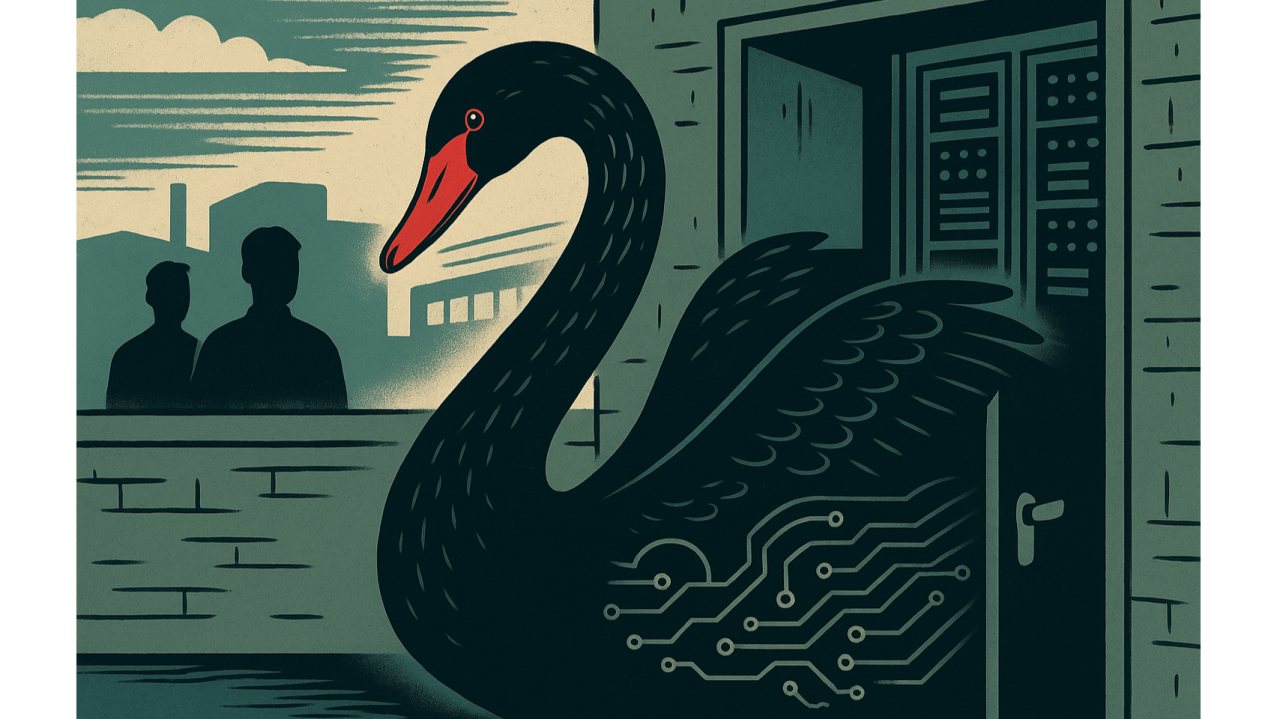
The last Black Swan wasn’t a hacker. It was a flood in Abu Dhabi. Suddenly, plants found themselves fighting water instead of malware.
That’s the nature of Black Swans: the risk you didn’t plan for, the event that isn’t on your checklist, the failure that doesn’t appear in any compliance report.
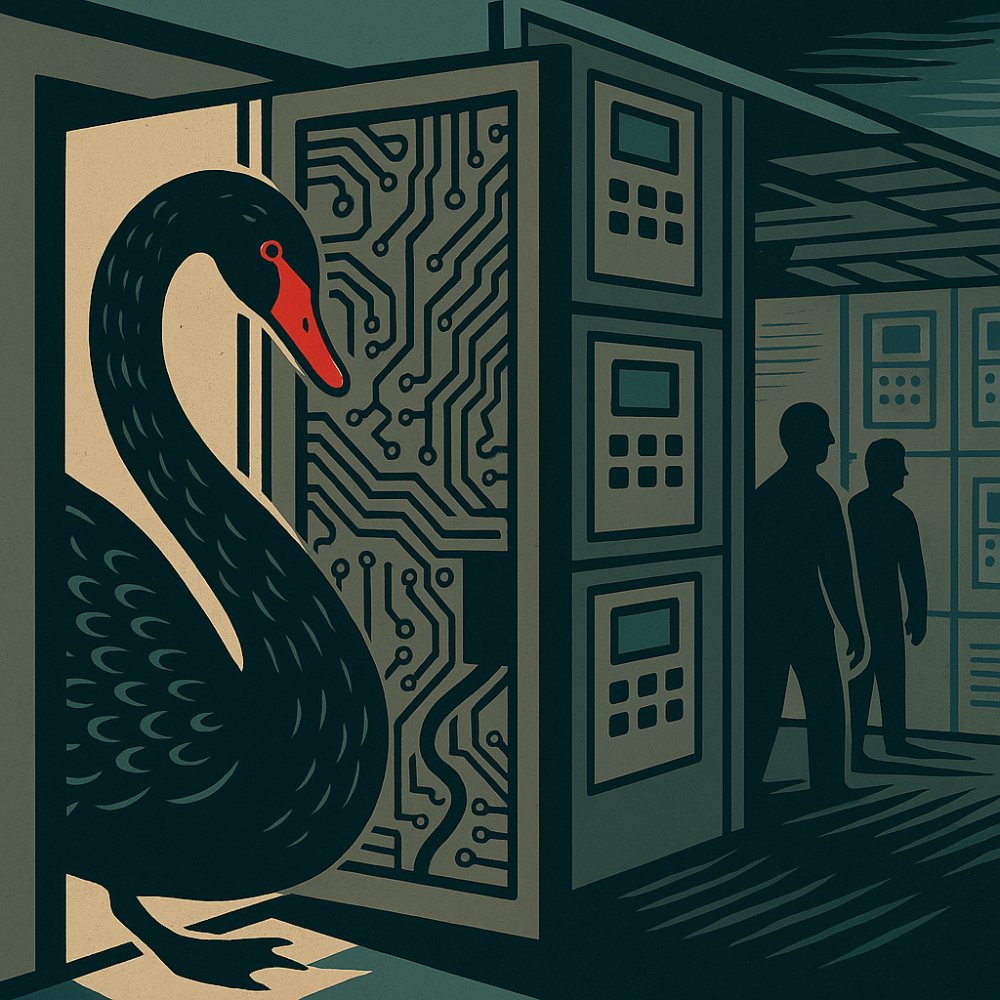
You can’t prevent them by patching harder or optimizing dashboards. You prepare by building resilient systems: explainable, well-documented, and isolated. Systems that can survive when the world breaks the forecast.
The Beyond Purdue Approach
- Know your assets.
- Give data clear meaning.
- Transfer it safely, one way.
Supply chain attacks and Black Swans are here to stay. But your plant doesn’t have to go down with them.
Isolation is not fear. It’s resilience.
Want to know more? Just schedule meeting with me.