Beyond Purdue / Cybersecurity, AI
Notarizing Garbage Won’t Make It Secure
Why Data Integrity Starts at the Source — and What the Edge Needs to Do About It
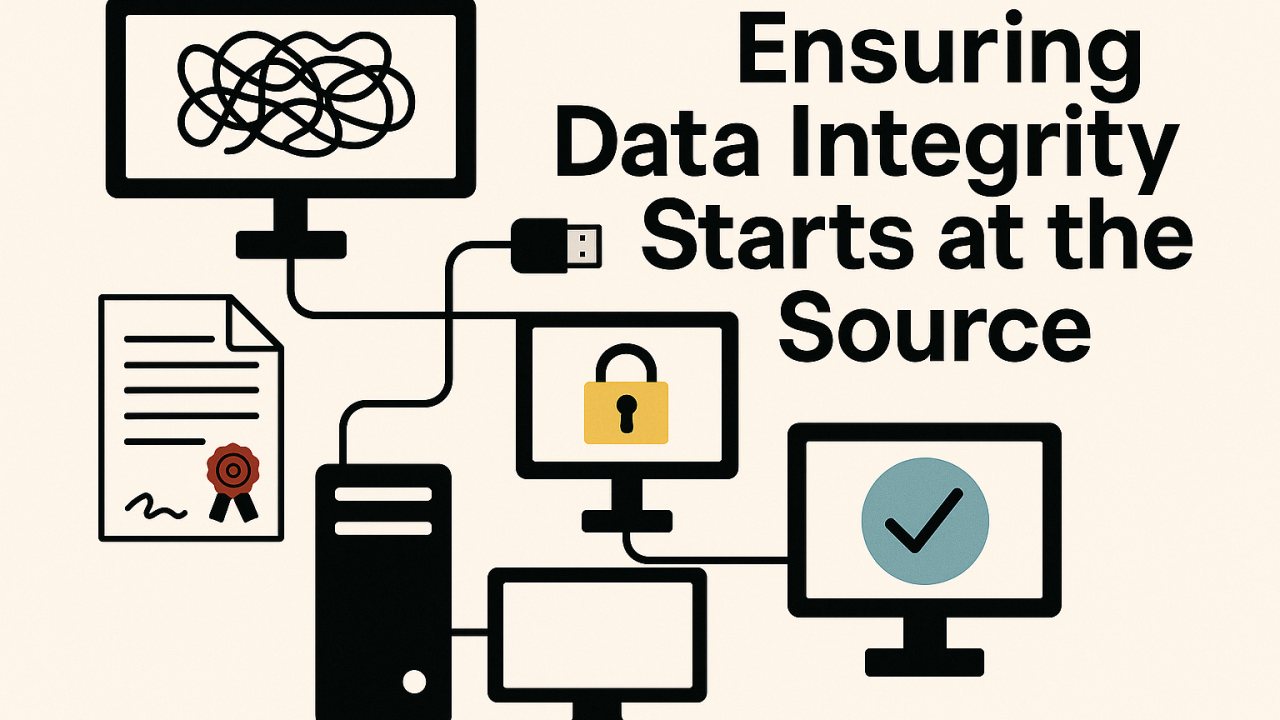
Why Data Integrity Starts at the Source — and What the Edge Needs to Do About It
Imagine this:
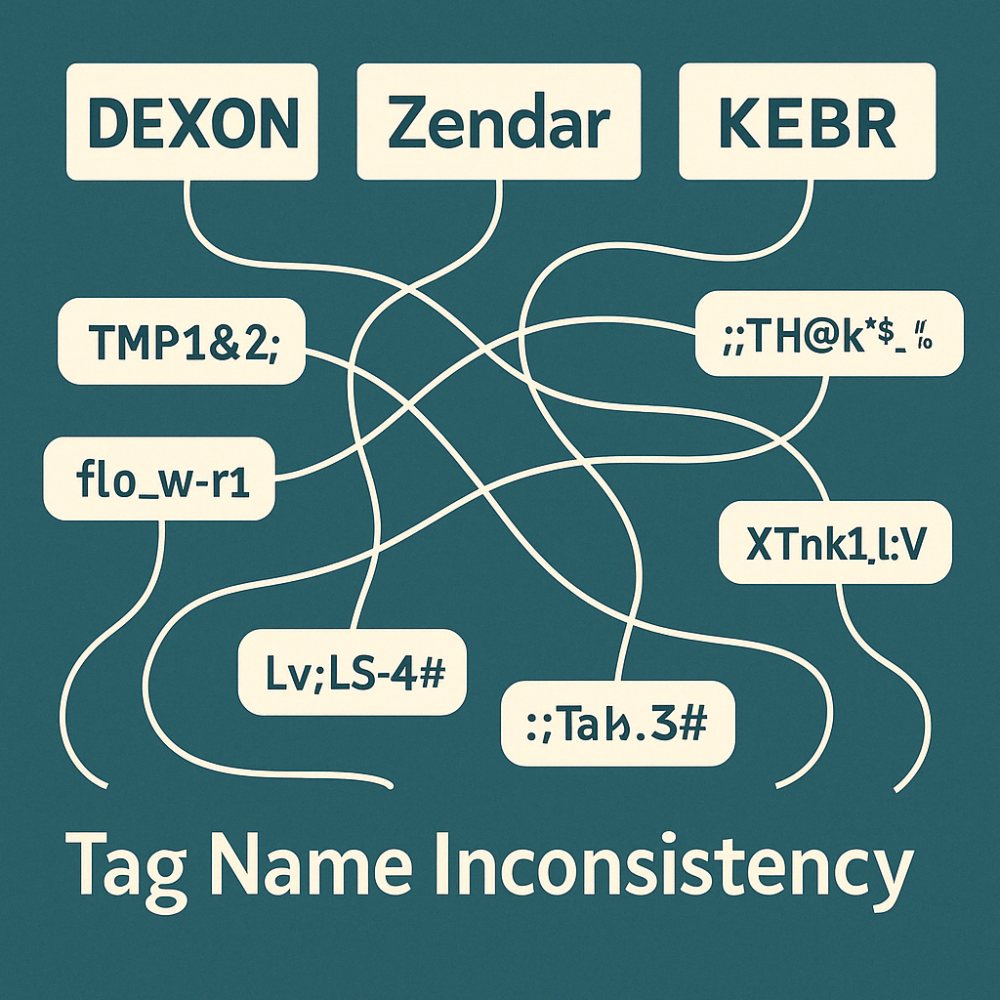
Six vendors and one EPC contractor try to stitch together a metering and billing system. Each vendor speaks a different protocol, uses a different naming scheme, delivers data at random intervals. One sends OPC DA tunnels. Another pushes files over FTP. One relies on USB-network-connected PCs. Another renames every tag three times before it even reaches billing.
And now—millions lost in penalties. Operators blamed for faults they never caused. A system that needs to generate billing data every six minutes… yet requires eight minutes of manual patching to make it work.
Then comes Vendor number seven.
Well-meaning. Blockchain-based notarization. “Secure” data. Another timestamp. Another ID. Another legally irrelevant copy of already broken data.
Signed, sealed — and completely useless.
The Real Problem Isn’t Security. It’s Meaning.
This isn’t about encryption. It’s not about immutability. It’s about structure and trust.
In the chaos of industrial data flows, the biggest risk isn’t cyberattack — it’s semantic drift. Tags get renamed. Context gets lost. Timestamps don’t line up. Two systems think they’re reading the same value — but they’re not. By the time that signal hits IT, the meaning is already corrupted.
That’s the real risk. And notarizing garbage doesn't fix it — it just makes you look compliant while staying broken.
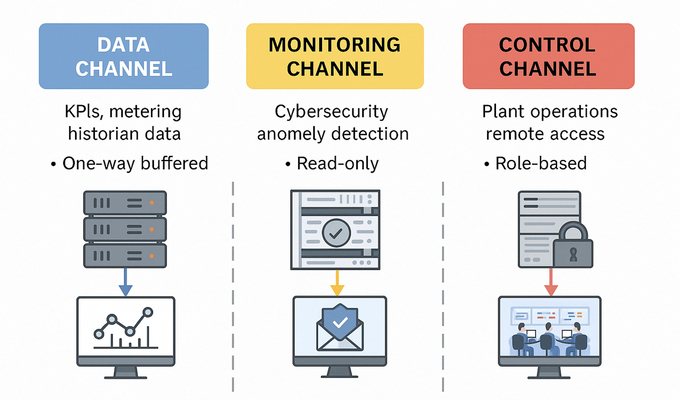
This is exactly why we’ve developed the Plant Information and Control System and introduced the Three-Channel Architecture in our Beyond Purdue series.
If you’re not solving for meaning, you’re not solving anything.
Data Notarization: Right Idea, Wrong Layer
Notarization is not cybersecurity. It doesn't detect attacks, stop breaches, or protect systems. Claiming otherwise is misleading.
But done right, it’s useful. Notarization belongs at the edge, not in the cloud. Not in a middleware proxy. It belongs inside the node, at the point where data is created.
We use a concept we call the Meaning Tag — an autonomous tag structure with:
- Identity
- Timestamp
- Semantic context
- Local historical log
Recommended by LinkedIn
Think of it like a black box for every tag. It knows what it is, what it measures, when it changed, and who touched it. That’s the place for notarization. Notarize the log locally, cryptographically. No cloud dependencies. No buzzwords.
Work at the Boundary — Not Inside Every PLC or DSC
Here’s where most solutions go wrong: they try to operate inside the OT jungle.
You’ll never support every protocol. Siemens TXP, T3000, ABB 800xA, GE Mark VIe, OPC DA, IEC 104 — the list never ends. That’s a losing game. Others have done it better.
The real value lies at the OT/IT boundary — the point where context gets stripped, where signals become meaningless numbers. That’s where structure must be rebuilt. That’s where metadata matters. That’s where notarization has value — as part of meaning reconstruction, not as a bolt-on.
Your system should sit right there:
- Standardize the tag
- Annotate with context
- Notarize the result
- Pass it forward
Do this — and you’re solving real-world problems. Don’t — and you’re just another layer of confusion.
The Untapped Power: Notarized Commands
Here’s where it gets interesting. What if we flipped the idea? What if instead of notarizing data, you notarize commands?
Imagine sending a verified instruction from IT to OT. Cryptographically signed. Verified at the edge. Pushed safely across a one-way data diode.
Now OT can trust the signal without opening up bi-directional communication. That’s a game-changer.
Trusted command injection — without compromising isolation. No one has fully solved this yet. But we’re close. And it’s exactly where your tech could make a difference.
Related Reading — Beyond Purdue Series
If this sounds like a departure from traditional thinking, it is. We’ve moved beyond Purdue, beyond digital twin hype, beyond Industry 4.0 fiction.
Explore the series that’s driving this thinking:
And many more at Beyond Purdue – LinkedIn Newsletter